DIY Soap Making: How to Customize Soap to Your Skin
Legacy signals
Legacy popularity: 1,058 legacy views
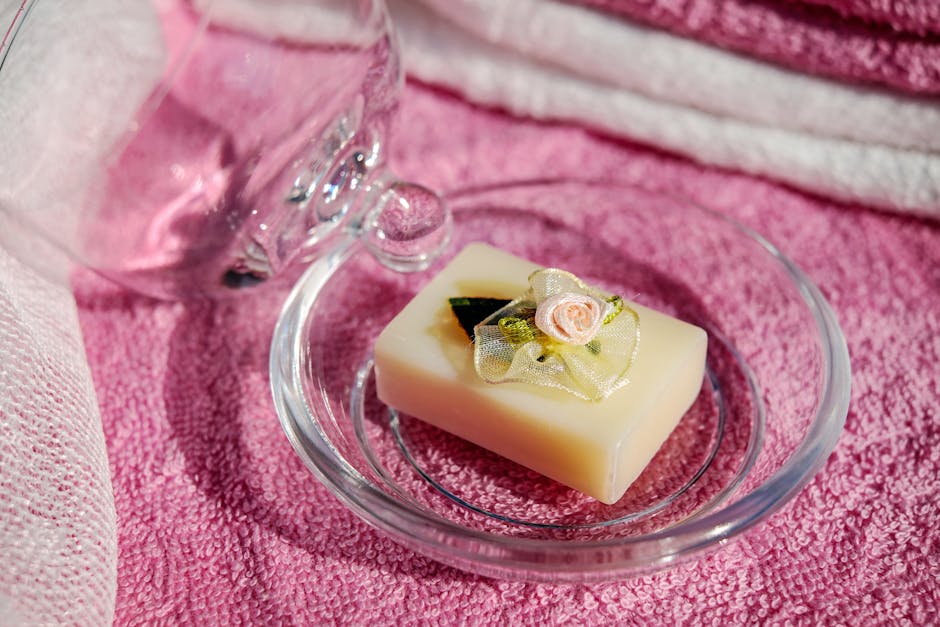 Commercially produced soaps often contain harmful ingredients like triclosan, an antibacterial substance that is actually toxic. Chemicals like phthalates and parabens that can alter your hormonal balance are commonly found in soaps and body washes., too (Mercola, 2016). Making customized soap gives you complete control over what you put on your skin. You’ll never have to worry about that mystery ingredient. It also gives you the ability to add ingredients to suit your own personal needs. Certain oils or other ingredients can be added to moisturize dry sensitive skin, soothe skin conditions like eczema or combat excessive body oil and acne. You can even adjust the amount of lather your soap produces. It may seem overwhelming at first, but it really is easy and inexpensive once you get the hang of it.
Techniques Used for Making Soap
Melt and Pour
The melt and pour technique is the easiest way to make soap. (Sander, 2017) This is the best way for beginners to get started. Soap base is melted in the microwave or in a double-boiler on the stove. After it cools slightly, add essential oils, coloring agents, other fragrances or even dried flowers and herbs. Pour the mixture into molds and let it cool. The soap sets up very quickly. Soap base, molds, various additives and even complete starter kits can be purchased online or in craft stores. Making your own homemade soap is very easy with these kits.
Cold Processed
The cold processed technique is more complicated and requires careful measurement of all ingredients. Slowly stir the lye into the distilled water in a heavy plastic or stainless steel bowl until it is completely dissolved. Use the exact amounts called for in the recipe. Most recipes call for ingredients by weight, so you’ll need to use a food scale. Set the lye and water mixture aside until it cools to 100 degrees F. Melt the fat, let it cool to around 100 degrees Fahrenheit then add essential oils and other ingredients. Be cautious when adding essential oils to hot fats. Some essential oils can ignite when added to fats that are too hot. (Essential Oil Chart) Add the lye to the fats and oils and continue to cook them over low heat. Mix them together by hand with a spoon and an immersion blender, alte
ating between a brief blend with the immersion blender and
gentler hand mixing.
Pour the soap into molds when it gets to “trace.” You’ll know it has reached trace when you lift the spoon and let the soap drip over the top of the batch and the drops remain on top of the mixture for a couple seconds before sinking in. Cover the soap with wax paper and a thick towel. Leave it for one or two days to set up. Pop the soap out of the molds onto wax paper, arrange the bars with an inch or so between them and let them set up for four to six weeks. Turn them every few days so they cure evenly. (Berry J., 2018)
Customizing Your DIY Handmade Soap
See the instructions below for some selected conditions. These and many more can be constructed at home using African Black soap recipes.
Chamomile Soap for Sensitive Skin
Use chilled chamomile tea instead of distilled water in your recipe if you have irritated or very sensitive skin. Make strong chamomile tea then let it cool to room temperature. Add a few pinches of dried, soothing herbs like calendula or even organic plantain to enhance your soap’s skin-soothing abilities. Oatmeal and honey can be added to your skin-soothing soap recipe, too. Make chamomile honey soap by blending 1 1/2 tsp. of chamomile flower powder and 1 1/2 tsp. of honey to your recipe. Blend the honey into 1 1/2 tsp. of warm water before adding it to the soap mixture. (Berry J., 2018)
Neem Oil Soap for Eczema
Include neem oil in your soap recipe if you have eczema. Use .85 oz. of neem oil, .85 oz. of avocado oil, .85 oz. of castor oil and 7.56 oz. of olive oil. Blend together 2.3 oz. of lye and 4.9 oz. of distilled water then add 5 oz. of refined coconut oil and .85 oz. of shea butter. Soap from this recipe will not strip the skin of much-needed natural oils, but it will leave you feeling clean and fresh. It makes a nice, creamy lather. (Tanya, 2018)
Clay and Charcoal Soap for Oily Skin
Include charcoal powder and bentonite clay when making customized soap if you have oily skin. They gently cleanse away excess oils and dirt. Soap made with this recipe is great for use on your face and body. Include 1 Tbs. each of charcoal powder and bentonite clay, 6.4 oz. each of coconut and olive oil, 3.2 oz. of castor oil, 2.33 oz. lye and 6.08 oz. distilled water. Add 1 oz. of your preferred essential oil for added benefits. Lavender and tea tree EO are great for oily skin. Peppermint essential oil is antibacterial, antifungal and refreshing. (Katie, 2018)
Exfoliating Soap
Get a soap mold with round cavities. Soak a loofah sponge in distilled water until it is softened. Cut the loofah into sections that fit into the round cavities or shred it then pour the soap over the loofah in the mold. Add oil and coloring just prior to pouring the soap over the loofah. (Berry B., Garden Loofah Soap DIY, 2018) If you don’t want to use a loofah sponge, try including chia seeds, cornmeal, oatmeal or even coffee grounds. An incredibly easy recipe for this consists of 1/2 to 1 cup of glycerin soap base, 2 Tbs. distilled water and 2 Tbs. of your favorite oil like olive or almond. Mix 2 Tbs. of an exfoliating ingredient into the soap blend just before you pour it into the molds. (DIY: Exfoliating Homemade Soap -- 4 Ways, 2018)
Customize Soap Lather
Change the amount of lather your homemade DIY soap produces by adding castor oil and adjusting the oil ratios. Soap with higher levels of castor oil produces more lather while soap with more olive oil in it produces less lather. Experiment by using equal amounts castor oil and olive oil. For example, if the recipe calls for 12 oz. of olive oil, try 6 oz. of castor oil and 6 oz. of olive oil. (Berry B., Why Should You Make and Use Handmade Soap, 2016)
Natural Coloring Ingredients
Coloring powders can be bought online or in craft stores or even at the grocery or health-food store. Natural spinach powder can be used to add green coloring to soaps. Tomato powder will turn your soap red. (Berry B., Garden Loofah Soap DIY, 2018)
Was this list helpful to you? Making customized soap is fun and easy, especially if you use the melt and pour method. If the members of your household have different skin types, making customized soap is a great way to give everybody the right soap to keep their skin healthy. You can even color-code each bar of soap so everyone gets their own.
Please leave a comment to let me know if you found this helpful and share your own experiences with making customized soap. Let me know if you’ve got a favorite recipe for your skin type. Be sure to share this page, too, so that others can learn about DIY homemade soaps.
Commercially produced soaps often contain harmful ingredients like triclosan, an antibacterial substance that is actually toxic. Chemicals like phthalates and parabens that can alter your hormonal balance are commonly found in soaps and body washes., too (Mercola, 2016). Making customized soap gives you complete control over what you put on your skin. You’ll never have to worry about that mystery ingredient. It also gives you the ability to add ingredients to suit your own personal needs. Certain oils or other ingredients can be added to moisturize dry sensitive skin, soothe skin conditions like eczema or combat excessive body oil and acne. You can even adjust the amount of lather your soap produces. It may seem overwhelming at first, but it really is easy and inexpensive once you get the hang of it.
Techniques Used for Making Soap
Melt and Pour
The melt and pour technique is the easiest way to make soap. (Sander, 2017) This is the best way for beginners to get started. Soap base is melted in the microwave or in a double-boiler on the stove. After it cools slightly, add essential oils, coloring agents, other fragrances or even dried flowers and herbs. Pour the mixture into molds and let it cool. The soap sets up very quickly. Soap base, molds, various additives and even complete starter kits can be purchased online or in craft stores. Making your own homemade soap is very easy with these kits.
Cold Processed
The cold processed technique is more complicated and requires careful measurement of all ingredients. Slowly stir the lye into the distilled water in a heavy plastic or stainless steel bowl until it is completely dissolved. Use the exact amounts called for in the recipe. Most recipes call for ingredients by weight, so you’ll need to use a food scale. Set the lye and water mixture aside until it cools to 100 degrees F. Melt the fat, let it cool to around 100 degrees Fahrenheit then add essential oils and other ingredients. Be cautious when adding essential oils to hot fats. Some essential oils can ignite when added to fats that are too hot. (Essential Oil Chart) Add the lye to the fats and oils and continue to cook them over low heat. Mix them together by hand with a spoon and an immersion blender, alte
ating between a brief blend with the immersion blender and
gentler hand mixing.
Pour the soap into molds when it gets to “trace.” You’ll know it has reached trace when you lift the spoon and let the soap drip over the top of the batch and the drops remain on top of the mixture for a couple seconds before sinking in. Cover the soap with wax paper and a thick towel. Leave it for one or two days to set up. Pop the soap out of the molds onto wax paper, arrange the bars with an inch or so between them and let them set up for four to six weeks. Turn them every few days so they cure evenly. (Berry J., 2018)
Customizing Your DIY Handmade Soap
See the instructions below for some selected conditions. These and many more can be constructed at home using African Black soap recipes.
Chamomile Soap for Sensitive Skin
Use chilled chamomile tea instead of distilled water in your recipe if you have irritated or very sensitive skin. Make strong chamomile tea then let it cool to room temperature. Add a few pinches of dried, soothing herbs like calendula or even organic plantain to enhance your soap’s skin-soothing abilities. Oatmeal and honey can be added to your skin-soothing soap recipe, too. Make chamomile honey soap by blending 1 1/2 tsp. of chamomile flower powder and 1 1/2 tsp. of honey to your recipe. Blend the honey into 1 1/2 tsp. of warm water before adding it to the soap mixture. (Berry J., 2018)
Neem Oil Soap for Eczema
Include neem oil in your soap recipe if you have eczema. Use .85 oz. of neem oil, .85 oz. of avocado oil, .85 oz. of castor oil and 7.56 oz. of olive oil. Blend together 2.3 oz. of lye and 4.9 oz. of distilled water then add 5 oz. of refined coconut oil and .85 oz. of shea butter. Soap from this recipe will not strip the skin of much-needed natural oils, but it will leave you feeling clean and fresh. It makes a nice, creamy lather. (Tanya, 2018)
Clay and Charcoal Soap for Oily Skin
Include charcoal powder and bentonite clay when making customized soap if you have oily skin. They gently cleanse away excess oils and dirt. Soap made with this recipe is great for use on your face and body. Include 1 Tbs. each of charcoal powder and bentonite clay, 6.4 oz. each of coconut and olive oil, 3.2 oz. of castor oil, 2.33 oz. lye and 6.08 oz. distilled water. Add 1 oz. of your preferred essential oil for added benefits. Lavender and tea tree EO are great for oily skin. Peppermint essential oil is antibacterial, antifungal and refreshing. (Katie, 2018)
Exfoliating Soap
Get a soap mold with round cavities. Soak a loofah sponge in distilled water until it is softened. Cut the loofah into sections that fit into the round cavities or shred it then pour the soap over the loofah in the mold. Add oil and coloring just prior to pouring the soap over the loofah. (Berry B., Garden Loofah Soap DIY, 2018) If you don’t want to use a loofah sponge, try including chia seeds, cornmeal, oatmeal or even coffee grounds. An incredibly easy recipe for this consists of 1/2 to 1 cup of glycerin soap base, 2 Tbs. distilled water and 2 Tbs. of your favorite oil like olive or almond. Mix 2 Tbs. of an exfoliating ingredient into the soap blend just before you pour it into the molds. (DIY: Exfoliating Homemade Soap -- 4 Ways, 2018)
Customize Soap Lather
Change the amount of lather your homemade DIY soap produces by adding castor oil and adjusting the oil ratios. Soap with higher levels of castor oil produces more lather while soap with more olive oil in it produces less lather. Experiment by using equal amounts castor oil and olive oil. For example, if the recipe calls for 12 oz. of olive oil, try 6 oz. of castor oil and 6 oz. of olive oil. (Berry B., Why Should You Make and Use Handmade Soap, 2016)
Natural Coloring Ingredients
Coloring powders can be bought online or in craft stores or even at the grocery or health-food store. Natural spinach powder can be used to add green coloring to soaps. Tomato powder will turn your soap red. (Berry B., Garden Loofah Soap DIY, 2018)
Was this list helpful to you? Making customized soap is fun and easy, especially if you use the melt and pour method. If the members of your household have different skin types, making customized soap is a great way to give everybody the right soap to keep their skin healthy. You can even color-code each bar of soap so everyone gets their own.
Please leave a comment to let me know if you found this helpful and share your own experiences with making customized soap. Let me know if you’ve got a favorite recipe for your skin type. Be sure to share this page, too, so that others can learn about DIY homemade soaps.Further reading
Further Reading
Article
How Often Should You Get a Dental Cleaning?
Regular dental cleanings are a cornerstone of good oral health, yet many people arenât sure how often they should schedule them. Knowing how often you should get a dental cleaning matters more than you might think - not just for a bright smile, but for your overall health. Most dental professionals recommend routine cleanings, but individual needs vary based on factors like age, gum health, medical conditions, and lifestyle habits. This article breaks down expert guidance,
February 28, 2026
Article
What Causes Tooth Discoloration? A Guide for The Colony Patients
A bright, white smile can boost confidence and make a great first impression. However, many patients in The Colony notice their teeth becoming dull, yellow, or stained over time. Tooth discoloration is common and can happen for several reasons. Understanding what causes it is the first step toward restoring your smile. Common Foods and Beverages One of the leading causes of tooth discoloration is what you eat and drink daily. Coffee, tea, red wine, soda, and dark-colored juic
January 5, 2026
Article
Smile Makeovers in Frisco: What to Expect and How They Work
If you've ever wished for a brighter, straighter, or more balanced smile, a smile makeover may be the solution you've been looking for. At leading dental practices in Frisco, smile makeovers are tailored to transform your appearance and boost your confidenceâusing a blend of cosmetic and restorative dental treatments. What Is a Smile Makeover? A smile makeover is a customized plan designed to enhance the overall look of your smile. This process may include a combination of
May 27, 2025
Article
Is Professional Teeth Whitening Worth It? What The Colony Patients Need to Know
A bright, white smile is often seen as a sign of confidence, health, and vitality. For many patients in The Colony, achieving that radiant look means considering teeth whitening treatments. But with so many optionsâover-the-counter kits, whitening strips, toothpaste, and professional in-office treatmentsâitâs natural to wonder: is professional teeth whitening really worth it? The Professional Difference Unlike store-bought whitening products, professional teeth whitenin
May 26, 2025