10 Reasons - You Do Not Want to Get A Hair Transplant
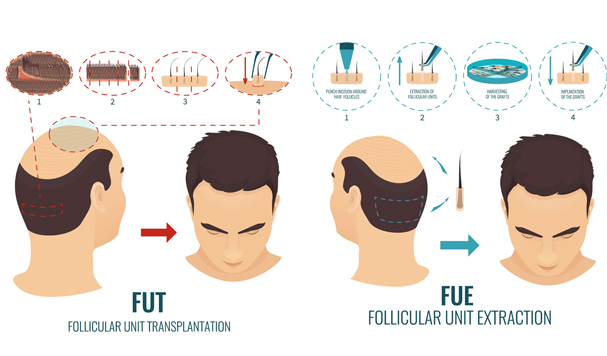
Getting a hair transplant is a significant investment, which is why you want to get it right the first time. If you’re looking to get a hair transplant any time soon, then here are 10 possible reasons why you might want to second guess for your decision and go with a safer and minimally invasive scalp micropigmentation process instead. Let’s take a quick look at the reasons why you should not get a hair transplant.
1. Scarring
If you’re not sure about keeping your hair long in the future, then getting a hair transplant might not be for you. This is an important question to ask simply because regardless of what type of hair transplant you go for, you will have to deal with a bit of scarring.
2. Thin Donor Hair
If you find that your donor’s hair is too thin and weak, then you should want until you find a donor with stronger hair follicles – for obvious reasons. If you get a hair transplant done with weak or thin hair, then it’s not going to last long as compared to getting a donor with strong, healthy hair. The same goes for making sure your own hair (or what’s left of it) is thick and healthy as well.
3. You’re Experiencing Hair Loss in Your 20s
Getting a hair transplant is certainly not recommended if you’re experiencing hair loss in your 20s and if you have a family history of hair loss. The reason being is that you’re going to lose your hair anyway. Just blame it on genetics and own your balding hair. On the other hand, you can go for a much cheaper and more effective option, such as scalp micropigmentation.
4. You Have Light Skin and Dark Hair
One common misconception is that if you have dark hair on light skin, you can achieve your goals with minimal trips to the hair clinic. Regardless of your hair color or skin tone, it will still take the same number of procedures for a hair transplant.
5. Confused about FUE and FUT Procedures
Don’t consult a FUT-only doctor or FUE-only doctor when going for a hair transplant. You need to consult a board-certified hair transplant doctor (who deals in both procedures) who can guide you in the right direction.
6. The Doctor Wants to Use a ‘Device’ for the Hair Transplant Procedure
Machine companies and marketers are using hair transplants as a commodity, with machines that claim to give you a hair transplant flooding the market. If you’re being told to get a hair transplant with a machine, you should get a second opinion, or go for a safer alternative, such as an SMP hair tattoo.
7. Is Everyone Involved in the Process Legit?
FUE doctors or specialists are not involved in the extraction of the hair from the donor. This is why you need to consult with an experienced hair transplant doctor who carries out the entire hair transplant procedure themselves. This includes extracting the scalp tissue from the donor and carrying out the hair transplant procedure.
8. If the Hair Transplant Procedure Seems Too Good To Be True
A hair transplant is a complex procedure. If you’re being offered a hair transplant procedure that seems too good to be true, then it probably is.
9. You Are Not Sure About the Healing Process
Many FUE doctors will tell you that the healing process doesn’t take long after the hair transplant procedure. But, the truth is, we are all different, which means that the healing time is going to vary as well. When it comes to healing after the procedure, nothing is written in stone.
10. Can the Doctor Fix the Scar?
We’ve already talked about the scar that will appear as a result of the hair transplant, but can your doctor fix the scar if it is large than what you are comfortable with? Experienced hair transplant doctors always guarantee their work, and will use various ways to fill up the scar so that it’s not so prominently visible.
Further reading
Further Reading
Article
Minoxidil for Hair Loss: A Comprehensive Guide to Regrowth That Actually Works
Hair loss is not merely a physical problem. For millions of men and women around the globe, itâs a psychological weight that adversely affects confidence, identity, and personal image. From thinning crowns to receding hairlines, the outward signs of baldness can age individuals and leave them feeling less in command of their appearance. Good news? Science-supported topical treatment with a widely used drug called minoxidil presents genuine hope to those willing to reclaim t
May 2, 2025
Article
Turkeyana Clinic: Reclaim Your Confidence With Quality Hair Transplants
Hair loss can be a sensitive topic, but it's an issue that affects many people across the world. Beyond appearances, thinning hair, receding hairlines, bald spots, and more can impact confidence, self-expression, and personal well-being. Fortunately, modern medical advancements have created solutions for this issue, with hair transplants being an effective option for hair restoration. What Causes Hair Loss? Hair loss can be caused by genetics, hormone imbalance, stress, or
February 8, 2025
Article
Why Hair and Scalp Health Equals Skin Health â And the Inspiration Behind Our Botanical Vitality Restoring Shampoo & Conditioner
When it comes to achieving strong, lustrous hair, the secret lies in nurturing its foundation: the scalp. Healthy hair begins with a healthy scalp, and because the scalp is an extension of your skin, its health is intrinsically linked to overall skin health. Neglecting scalp care can lead to dryness, itchiness, and hair thinning, all of which diminish hair quality and appearance. In this article, weâll explore the science behind scalp health, common scalp concerns, natural
December 20, 2024
Article
Why Hair and Scalp Health Equals Skin Health â And the Inspiration Behind Our Botanical Vitality Restoring Shampoo & Conditioner
When it comes to achieving strong, lustrous hair, the secret lies in nurturing its foundation: the scalp. Healthy hair begins with a healthy scalp, and because the scalp is an extension of your skin, its health is intrinsically linked to overall skin health. Neglecting scalp care can lead to dryness, itchiness, and hair thinning, all of which diminish hair quality and appearance. In this article, weâll explore the science behind scalp health, common scalp concerns, natural
December 20, 2024