Dangerous Work Environment? How to Make Safety the Highest Priority
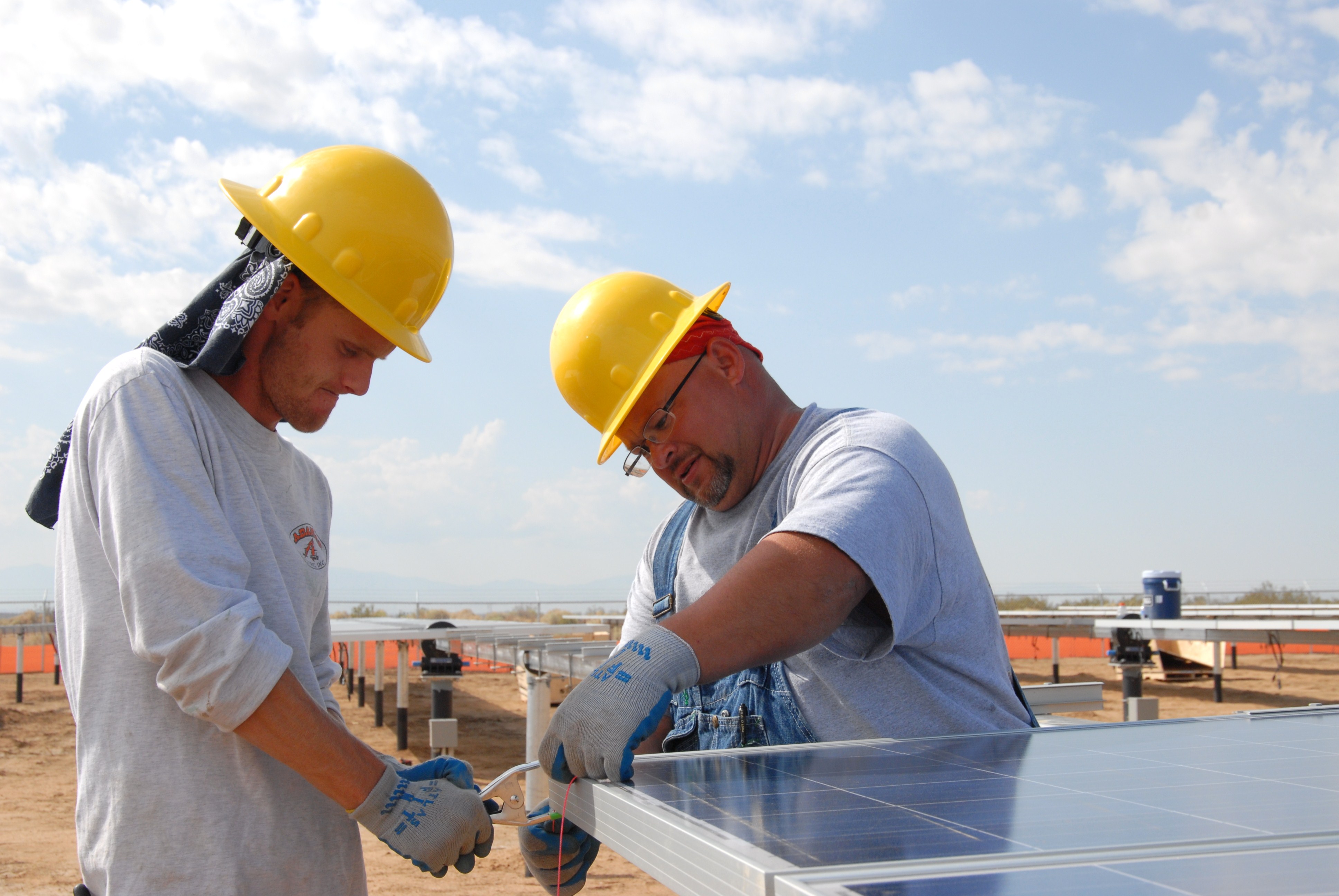 As a business owner, your top priority should be worker safety. Although safety protocols may be expensive to implement, they are still cheaper than paying workers' compensation claims or paying to replace an employee who is out for the next several months. Here are some ways that you can make workplace safety a bigger priority for your company
Create a Safety Plan
The first thing that your company should do is create a safety plan that acts as official company policy. It should outline any known or potential hazards that a worker may encounter while doing his or her job. It should also outline any potential hazards that an outside contractor may face while working temporarily at your facility.Create a Training Plan
Once you have created your training plan, the next step is to create a training plan to ensure that your workers know what is expected of them. Workers should be trained to spot hazards, how to avoid those hazards and what to do in an emergency situation. Employees should also receive training on the specific machines that they will use while on the job to ensure that they don't develop any bad safety habits.Consider How Safety Helps Your Employees’ Lives
If your company is in the drilling industry, like Robar Boring Contractors, you know that your employees are at risk every day. They work with heavy equipment and under a lot of physical pressure. As a boss, you may feel the need to pressure your employees to complete tasks by certain dates. That might be a fine thing to do, but just make sure that you never require them to cut corners that put their safety at risk. Their lives are important, and so you should also let them know that you will never expect them to do so upfront.Conduct Safety Inspections Regularly
If a major accident occurs on company premises, there is a chance that OSHA will want to make a surprise visit. Instead of sweating a visit from government regulators, you can conduct your own safety checks to reduce the odds of an accident. As long as you have a safety plan and stick to it, the odds of being cited are low in the event someone does get hurt. By making worker safety a top priority, you show your people that you see them as humans as opposed to just commodities. In addition to saving money on health care and other costs, you may see increased levels of employee morale, which could lead to an uptick in productivity. Ultimately, investing in worker safety today can pay dividends both now and well into the future.Further reading
Further Reading
Article
Beyond the hype: Why AI projects fail and how to succeed
Artificial intelligence continues to dominate business conversations, but enthusiasm alone does not guarantee results. While many companies rush to adopt AI in hopes of gaining a competitive edge, a large number of initiatives still fall short. The problem is rarely the technology itself. More often, failure happens because organizations approach AI without the structure, readiness, and discipline required for long-term success. AI projects do not fail because the technology
March 4, 2026
Article
AI Avatar Development: Pros, Cons & Industry Use
AI Avatar Development: Real Innovation or Just Hype? In todayâs hyperconnected world, attention is currency. To stand out, brands can no longer settle for flashy features or surface-level engagement. They need to build meaningful, scalable, and personalized experiences. Enter AI avatars: digital humans that are revolutionizing communication by bringing lifelike presence to virtual interactions. Imagine a team member who never takes a coffee break, speaks ten languages fluen
February 27, 2026
Article
Beyond the Script: How Call Centers Keep Telecom Networks Running and Customers Happy
The Quiet Engine Behind Every Connection Most people think of telecom services as towers, signals, and mobile data moving invisibly through the air. Yet behind every call that connects and every message that reaches its destination, there is another system quietly working in the background. That system is the call center. While customers often interact with telecom companies only when something goes wrong, these centers operate constantly, guiding problems toward solutions an
February 23, 2026
Article
Why Lead Generation Alone Is Failing Solar Companies Without Appointment Expertise
Introduction The solar industry once believed that collecting as many leads as possible was the fastest path to growth. Marketing teams focused on filling databases with names, phone numbers, and email addresses. At first, the numbers looked promising. Dashboards showed rising interest and more inquiries than ever before. Yet behind the scenes, many companies began to notice a quiet problem. Revenue growth did not match the flood of leads. Sales teams felt overwhelmed, conver
February 6, 2026