Dental Delusions: Busting 5 Toothbrushing Myths
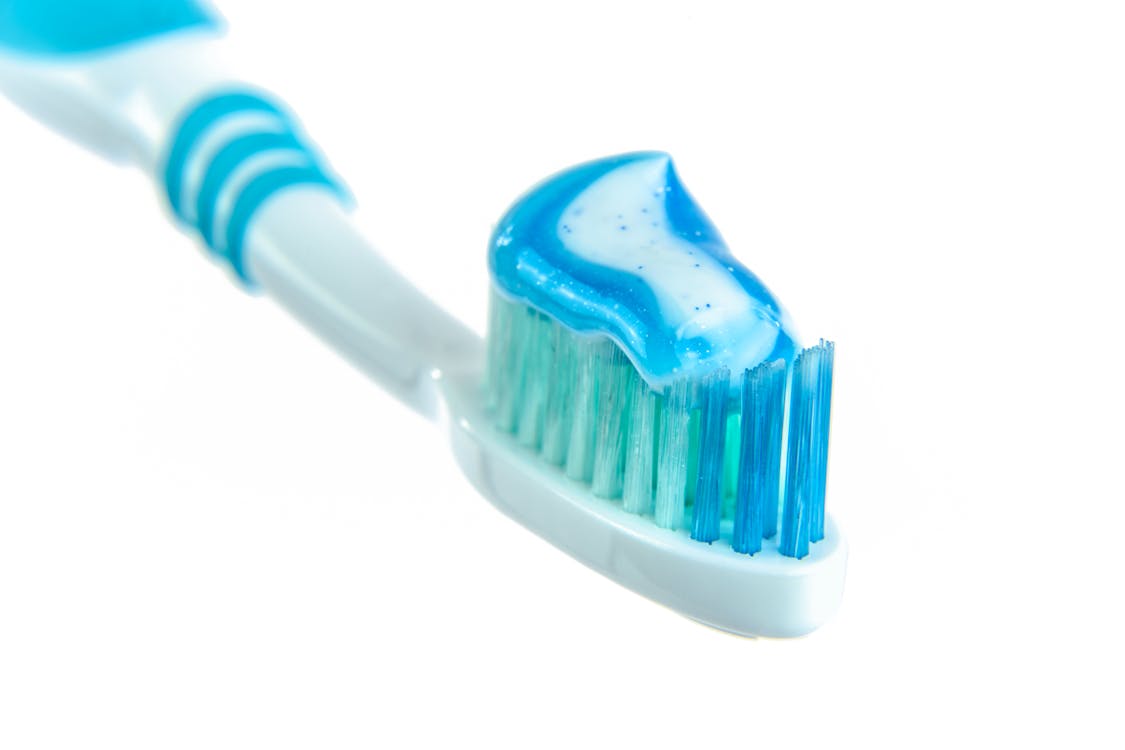
Most people are aware of the importance of brushing your teeth, but there are still quite a few persistent toothbrushing myths floating around. Even some of the most popular and seemingly credible beliefs about toothbrushing have no facts to back them up, and it’s important to be aware of which toothbrushing practices are essential and which are nothing but myths.
Here are five of the most common toothbrushing myths, along with explanations of why they aren’t valid.
Mouthwash Can Be a Substitute for Brushing
Another myth that is unfortunately very prevalent is that rinsing with mouthwash can be a substitute for toothbrushing. Fluoride mouthwash can help keep your teeth healthy and prevent decay, but it doesn’t remove food particles and plaque from teeth as effectively as brushing.
Nothing can be a complete substitute for brushing, so it’s important to always brush teeth at least twice a day.
Brushing Harder Is Better
Many people also believe that brushing teeth harder is more effective, but in fact, this may abrade your teeth and will wear your toothbrush out faster. It’s much more important to brush for a longer period of time and cover all areas of your mouth than to exert more force, and brushing harder doesn’t actually offer any advantages.
Instead, focus on hard-to-reach areas like back molars, and always brush for at least two minutes at a time.
Baby Teeth Don’t Matter
Many people believe that since we lose our baby teeth and grow new ones, the health of these teeth isn’t important. In reality, baby teeth have weaker enamel and are more susceptible to damage, and severe tooth decay with baby teeth can create abscesses that cause damage to permanent teeth once they grow in.
In addition, when baby teeth need to be removed, children are more likely to develop crooked permanent teeth. For these reasons, the health of baby teeth matter, and teaching children to brush regularly from a young age is crucial. Contact a Fairmont dental care professional or one in your particular area if you notice your child has major dental issues.
Focus Brushing Only on the Teeth Themselves
It seems logical to assume that maintaining the teeth themselves is the most important factor for good dental health, but the most crucial aspect is actually the health of the gums.
Gums work as the foundation of the teeth and gum decay is the leading cause of tooth loss, so it’s very important to brush the gums around your teeth as well. In addition, using fluoride mouthwash can also help protect your gums for the future.
Always Brush After Eating
Many parents tell their children to brush their teeth right after eating, and as logical a practice as this seems, it can actually weaken your tooth enamel. Eating foods with sugars and acids can weaken your tooth enamel; because of this, brushing straight after these foods can actually cause particles of enamel to be brushed away.
Enamel is crucial to maintaining the health of your teeth, so it’s best to wait at least an hour after eating before brushing your teeth so that no enamel is accidentally brushed away.
Many of these toothbrushing myths are pervasive, so it’s important to know the facts and avoid any practices that might end up weakening your teeth. The most important toothbrushing practice to remember is to always brush twice a day for at least two minutes at a time, and while fluoride mouthwash can be a good addition to a proper brushing regimen, it can’t work as a substitute for toothbrushing.
As long as you keep these five toothbrushing myths in mind and brush your teeth regularly, good dental health is attainable for anyone.
Article author
About the Author
Further reading
Further Reading
Article
Turn Extra Test Strips Into Cash: HMH Med Buyback Expands Nationwide Program
A Growing Challenge in Diabetes Care Across the country, millions of people living with diabetes rely on test strips and other supplies to monitor their health. These items are essential, but they often accumulate in households for various reasons. Sometimes prescriptions change, sometimes people switch to different brands, and sometimes supplies arrive in larger quantities than needed. What was once a lifeline can quickly become a drawer full of unused materials. The Problem
February 17, 2026
Article
Why Doctors Prefer AI-Powered Medical Scribes Over Manual Documentation
Long clinic days often spill into late nights, leaving physicians buried under hours of unfinished documentation. Instead of focusing on patients, much of your time disappears into typing, charting, and catching up on notes. Itâs no surprise that administrative overload has become one of the biggest drivers of physician burnout today. This is where AI medical scribes come in. By automating clinical documentation in real time, they give healthcare providers the freedom to fo
September 9, 2025
Article
Your First Root Canal Treatment: What to Expect and How to Prepare
If youâre scheduled for your first root canal treatment, you might be feeling a mix of anxiety and relief. Anxiety about what to expect during the procedure, and relief that youâre on your way to alleviating discomfort caused by a tooth infection or decay. Hereâs a comprehensive guide to help you understand the root canal process, what you can expect, and how best to prepare for it. Understanding Root Canal TreatmentrnA root canal is a dental procedure designed to clear
February 21, 2025
Article
Why Malpractice Insurance is Essential for Anesthesiologists: An Overview of Costs and Benefits
The role of an anesthesiologist is critical in modern medicine, serving as the guardian of patient safety during surgical procedures. With this immense responsibility comes the necessity of having robust malpractice insurance . For anesthesiologists, the implications of malpractice claims can be profound, making understanding the associated costs and benefits of malpractice insurance essential. Understanding Malpractice Insurance Malpractice insurance is a specific type of pr
February 7, 2025