How Bacterias Help Your Body To Lose The Weight.
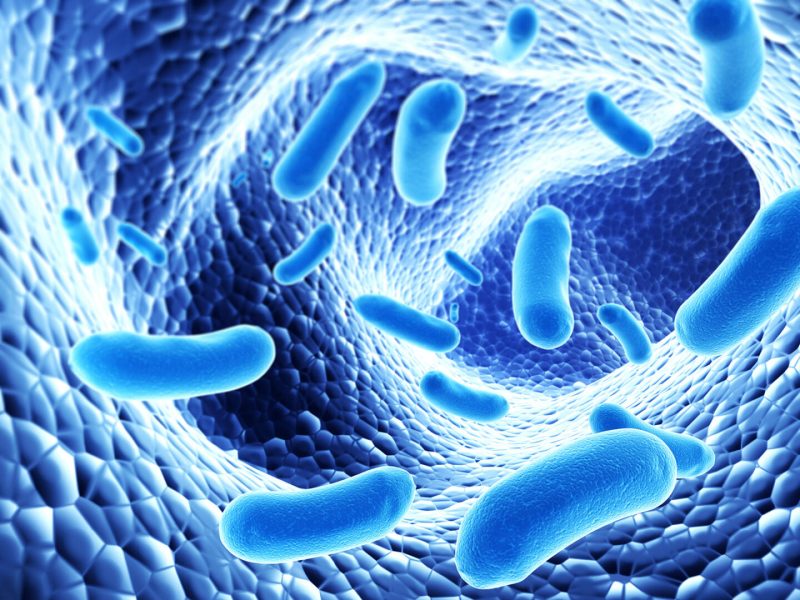 While you are reading this article, there is a real battle in your stomach - more than 1,000 kinds of useful and not very useful bacterias are constantly fighting with each other. Who will be the winner is really important, because it depends not only on how well you digest dinner, but also how quickly vitamins and nutrients will be absorbed by the body, will it be able to withstand the viruses and, finally, will lose or, on the contrary, gain weight.
Scientists explain: if you have microbiomes in your body (useful bacteria), then you will definitely lose weight. Normalization of the balance between good and bad bacteria is much more important than the amount of protein, fat, and carbohydrates consumed.
According to research by British scientists, obese women who took probiotic supplements (we will discuss them in more detail below) lost twice as much weight within six months (and most importantly, did not recruit it right away) than those who took the placebo. It was probiotics that helped to control appetite.
Unhealthy bacteria, on the contrary, "kindle" the craving for products, especially harmful ones. They send signals to the brain and force you to go to the store and buy several packages of chips, sweets, and soda instead of vegetables, fruits, and yogurt. And this sense of anxiety, which causes bacteria, can be suppressed only with snacks and chocolate.
The good news: all this "rebellion" can be used for your own purposes - the number of "warriors" on each side depends only on what foods you eat. Five tips, which I will describe below, will help not only to establish the correct balance of bacteria in the gastrointestinal tract but also lose weight!
rn1. Get with food probiotics and prebioticsrnThese two components play a crucial role in improving health and maintaining good intestinal microflora. Many are often confused or mistaken for the same thing, which is wrong, especially since the body needs both.
Probiotics are useful bacteria, similar to those that already live in your body. They help the process of digestion and increase the rotation and "colonization" of intestinal bacteria, through which is established what doctors are used to calling "good microflora." Probiotics are found in almost all fermented milk products, in some pickles, bread and also sold as additives.
Prebiotics are food components (for example, vegetable fiber), which are not digested and not digested in the upper gastrointestinal tract but help stimulate the growth and reproduction of beneficial bacteria. Prebiotics are part of dairy products, cereals and cereals, legumes, bananas and many other products.
The union of pro and prebiotics is a "double blow", which is applied by beneficial bacteria, helping the stomach and intestines to work at all their capacities.
2. Choose fermented milk products labeled "Contain live bacteria"rnA glass of yogurt, Greek yogurt or any other useful sour milk product is a perfect start to the day! Choose in the store these products only with the label "Keep alive bacteria" and preferably without additives - even your favorite fruit yogurt can contain sugar, which is undesirable for those who want to lose weight. Try to keep track so that the amount of additional ingredients does not exceed 15 grams per serving.
A study by Harvard scientists showed that yogurt and kefir are the two products most associated with weight loss. People who used them on a daily basis (and at the same time led a perfectly normal lifestyle) lost up to one kilogram of weight every four years. Not the most impressive result, but if you multiply it by other tips, then the effectiveness of weight loss will increase at times.
While you are reading this article, there is a real battle in your stomach - more than 1,000 kinds of useful and not very useful bacterias are constantly fighting with each other. Who will be the winner is really important, because it depends not only on how well you digest dinner, but also how quickly vitamins and nutrients will be absorbed by the body, will it be able to withstand the viruses and, finally, will lose or, on the contrary, gain weight.
Scientists explain: if you have microbiomes in your body (useful bacteria), then you will definitely lose weight. Normalization of the balance between good and bad bacteria is much more important than the amount of protein, fat, and carbohydrates consumed.
According to research by British scientists, obese women who took probiotic supplements (we will discuss them in more detail below) lost twice as much weight within six months (and most importantly, did not recruit it right away) than those who took the placebo. It was probiotics that helped to control appetite.
Unhealthy bacteria, on the contrary, "kindle" the craving for products, especially harmful ones. They send signals to the brain and force you to go to the store and buy several packages of chips, sweets, and soda instead of vegetables, fruits, and yogurt. And this sense of anxiety, which causes bacteria, can be suppressed only with snacks and chocolate.
The good news: all this "rebellion" can be used for your own purposes - the number of "warriors" on each side depends only on what foods you eat. Five tips, which I will describe below, will help not only to establish the correct balance of bacteria in the gastrointestinal tract but also lose weight!
rn1. Get with food probiotics and prebioticsrnThese two components play a crucial role in improving health and maintaining good intestinal microflora. Many are often confused or mistaken for the same thing, which is wrong, especially since the body needs both.
Probiotics are useful bacteria, similar to those that already live in your body. They help the process of digestion and increase the rotation and "colonization" of intestinal bacteria, through which is established what doctors are used to calling "good microflora." Probiotics are found in almost all fermented milk products, in some pickles, bread and also sold as additives.
Prebiotics are food components (for example, vegetable fiber), which are not digested and not digested in the upper gastrointestinal tract but help stimulate the growth and reproduction of beneficial bacteria. Prebiotics are part of dairy products, cereals and cereals, legumes, bananas and many other products.
The union of pro and prebiotics is a "double blow", which is applied by beneficial bacteria, helping the stomach and intestines to work at all their capacities.
2. Choose fermented milk products labeled "Contain live bacteria"rnA glass of yogurt, Greek yogurt or any other useful sour milk product is a perfect start to the day! Choose in the store these products only with the label "Keep alive bacteria" and preferably without additives - even your favorite fruit yogurt can contain sugar, which is undesirable for those who want to lose weight. Try to keep track so that the amount of additional ingredients does not exceed 15 grams per serving.
A study by Harvard scientists showed that yogurt and kefir are the two products most associated with weight loss. People who used them on a daily basis (and at the same time led a perfectly normal lifestyle) lost up to one kilogram of weight every four years. Not the most impressive result, but if you multiply it by other tips, then the effectiveness of weight loss will increase at times.
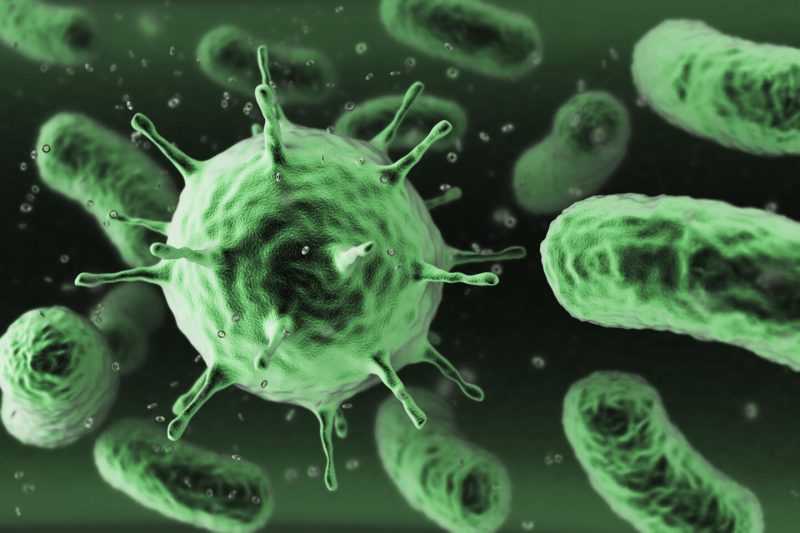 3. Eat more fiberrnAs you know, cellulose is best "fills" the stomach and allows the body to remain full as long as possible. But this is not its only plus: the research of American scientists has shown that foods with a high fiber content contribute to the growth of useful (and, to be more precise, anti-inflammatory) bacteria in the stomach.
4. Diversify your menurnScientists draw a parallel between the body and the city: the more people (in our case - the bacteria), the more interesting and active life (that is, the work of the gastrointestinal tract). Recent research shows that the stomach of a thin person is a real "megapolis", while people who are obese have a boring provincial town, and sometimes even a small village.
Gastroenterologists say that in patients with normal weight, body mass index, waste volume and blood sugar level, there are bacteria of three different types at once: fermium, bifidobacteria, and clostridia, all of which are very good.
This is confirmed by the study of French scientists - according to their data, people with a variety of intestinal microbiomes are less likely to suffer from obesity or diabetes. At the same time, the amount of anti-inflammatory bacteria in their stomachs is minimal.
If you are aiming for something like this, then diversify your menu as much as possible: add different groups of useful products and try to alternate them regularly. A fish or unloading vegetarian day will help you.
3. Eat more fiberrnAs you know, cellulose is best "fills" the stomach and allows the body to remain full as long as possible. But this is not its only plus: the research of American scientists has shown that foods with a high fiber content contribute to the growth of useful (and, to be more precise, anti-inflammatory) bacteria in the stomach.
4. Diversify your menurnScientists draw a parallel between the body and the city: the more people (in our case - the bacteria), the more interesting and active life (that is, the work of the gastrointestinal tract). Recent research shows that the stomach of a thin person is a real "megapolis", while people who are obese have a boring provincial town, and sometimes even a small village.
Gastroenterologists say that in patients with normal weight, body mass index, waste volume and blood sugar level, there are bacteria of three different types at once: fermium, bifidobacteria, and clostridia, all of which are very good.
This is confirmed by the study of French scientists - according to their data, people with a variety of intestinal microbiomes are less likely to suffer from obesity or diabetes. At the same time, the amount of anti-inflammatory bacteria in their stomachs is minimal.
If you are aiming for something like this, then diversify your menu as much as possible: add different groups of useful products and try to alternate them regularly. A fish or unloading vegetarian day will help you.
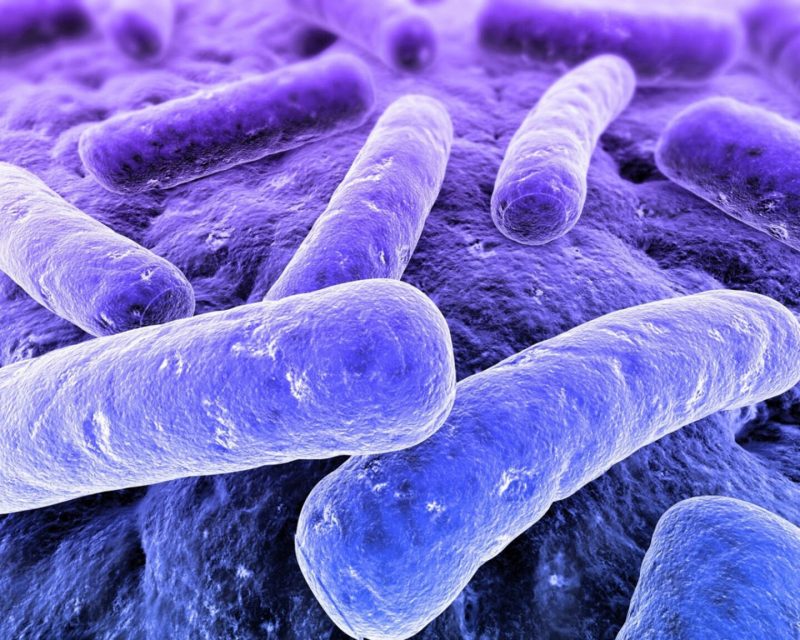 5. Reduce the number of "bad" foods in the dietrnRestriction (and sometimes complete exclusion) of not the best foods in your diet is no less important than eating a food rich in vitamins, minerals, and nutrients. If you want to preserve the beneficial microflora of the stomach and intestines, experts advise to reduce the intake of the following "criminals":
Refined carbohydrates (they are simple and harmful), which are contained in your favorite fatty and sweet foods. They are low in fiber, which is the best food for microbes. As you know, this is not very good.
But simple carbohydrates also stimulate the development of bad bacteria in the body - which is quite bad. It should be preferred primarily to foods that contain complex carbohydrates, especially if you want to lose weight. So forget about chips and sweets and quickly discover the wonderful world of celery, blueberries and other products that so "love" the good bacteria that live in your body.
An animal protein, which you can guess, in meat, poultry and fish. Scientists found that during a diet with frequent use of these products, the bacterium Biophilia, associated with inflammation, begins to multiply in the body. And the study participants, who instead of meat often ate a pumpkin, lentils, and legumes, this growth was not observed. Therefore, some experts advise limiting the consumption of red meat once a week. In their opinion, this will positively affect the work of your heart, as well as the volume of your hips.
5. Reduce the number of "bad" foods in the dietrnRestriction (and sometimes complete exclusion) of not the best foods in your diet is no less important than eating a food rich in vitamins, minerals, and nutrients. If you want to preserve the beneficial microflora of the stomach and intestines, experts advise to reduce the intake of the following "criminals":
Refined carbohydrates (they are simple and harmful), which are contained in your favorite fatty and sweet foods. They are low in fiber, which is the best food for microbes. As you know, this is not very good.
But simple carbohydrates also stimulate the development of bad bacteria in the body - which is quite bad. It should be preferred primarily to foods that contain complex carbohydrates, especially if you want to lose weight. So forget about chips and sweets and quickly discover the wonderful world of celery, blueberries and other products that so "love" the good bacteria that live in your body.
An animal protein, which you can guess, in meat, poultry and fish. Scientists found that during a diet with frequent use of these products, the bacterium Biophilia, associated with inflammation, begins to multiply in the body. And the study participants, who instead of meat often ate a pumpkin, lentils, and legumes, this growth was not observed. Therefore, some experts advise limiting the consumption of red meat once a week. In their opinion, this will positively affect the work of your heart, as well as the volume of your hips.Further reading
Further Reading
Article
A Gentle, Smart Reset for your Body after Pregnancy
Your body has done something amazing. Now itâs time to care for youâwithout pressure, extremes, or guilt. The Wellness Reset Guide is designed specifically for women after pregnancy who want to gently reduce belly fat, restore energy, and feel confident againâat their own pace. This is not about quick fixes. Itâs about simple daily habits that work with your body, not against it. Inside the Wellness Reset Guide, youâll discover: ⢠Easy, low-impact routines that su
February 26, 2026
Article
Why Most Diets Fail and How to Create Lasting Weight Loss Results
The Great Dieting Paradox Imagine a wide, winding road where millions of people are walking in the same direction, fueled by a mixture of hope and caffeine. This is the road of the "New Year, New Me" resolution. Most of these travelers are carrying heavy backpacks labeled with various diet names: some are cutting carbs, others are fasting by the clock, and some are replacing meals with colorful liquids. Initially, the energy is electric. The scale drops, the clothes loosen, a
February 18, 2026
Article
Foods That Can Help Lower Your Cortisol Levels and Make You Feel Calmer
Cortisol, often called the "stress hormone," plays an essential role in regulating metabolism, immune response, and blood pressure. However, when cortisol levels remain high due to chronic stress, it can lead to anxiety, weight gain, poor sleep, and even heart problems. The good news is that certain foods can help lower cortisol levels and promote a sense of calm. Let's explore some of the best options. 1. Dark Chocolate Rich in antioxidants, particularly flavonoids, dark c
September 6, 2025
Article
The 20-Calorie 'Pasta' That Ended My 3 PM Energy Crashes (And Helped Me Drop 15 Pounds)
You know that feeling around 3 PM when your energy just... disappears? One minute you're crushing your to-do list, the next you're staring at your computer screen wondering if it's socially acceptable to nap under your desk. For months, I blamed my schedule, my stress levels, even my coffee intake. Turns out, the real culprit was sitting right there on my lunch plate. The Carb Crash Cycle That's Sabotaging Your Day Here's what I didn't realize:
July 1, 2025