How Do You Become an Automotive MANAGER?
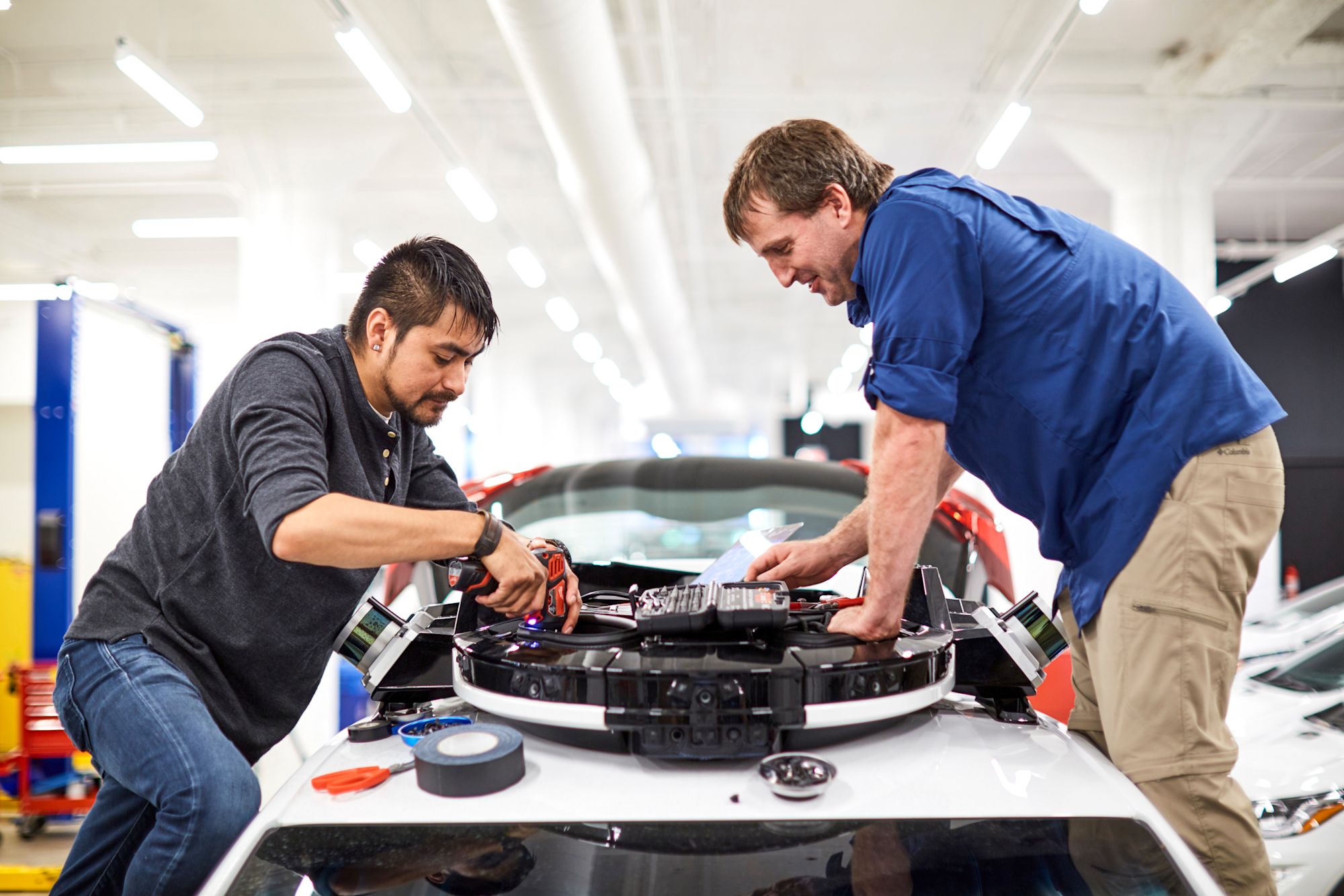
The automotive industry has a lot of career options to offer. It is a growing industry that is showing no signs of slowing down. One position that you can apply for is the automotive manager. The manager is responsible for coordinating vehicles and transportation within the organizations, procuring vehicles, services, parts and assessing transportation. The role of the automotive manager is primarily based on logistics. The managers are also responsible for supporting control costs and operations. They also have oversight of the matters that are related to compliance ranging from vehicle inspection and registration.
If you are interested in becoming an automotive manager then here is a guide that can help you in understanding the requirements of the job.
Skills Required:
The automotive manager needs to have the following skills;
They are focused on logistics and operations so they need to be familiar with how the management fits into the operations of the organization.
The managers are responsible for assessing the future and current transportation needs of an organization. They are responsible for fulfilling the supply needs and regular maintenance so they need to have great planning skills.
Automotive managers have to procure supplies, vehicles, and parts. They need to have good negotiation skills so that they can negotiate with suppliers.
The managers have to work with drivers and departments and coordinate activities that are transport-related. Collaboration skills are important for becoming an automotive manager.
Maintaining the budget is also the manager’s responsibility and make sure that the money is allocated properly. Financial management experience is essential for the manager’s position.
Good communication skill is crucial for making sure that you manage to become a manager successfully.
Education And Training:
To become an automotive manager you will need to get an associate’s degree but some companies also hire candidates that have bachelors or other advanced degrees. There are a lot of automotive managers that have a background in transportation, administrations, and logistics.
The best MOT training course is also something that can help automotive management hopefuls to get the opportunity as it shows they have good knowledge of the vehicles. There are on job learning and training opportunities as well.
Responsibilities and Duties:
The specific duties of automotive manager’s post are defined by the industry and organization. Here are some essential duties that are always part of the job description.
- The common and central duty of an automotive manager is to determine the automotive needs of the organization. They are responsible for regular maintenance, fulfilling supply needs and acquiring new vehicles.
- They have to direct emergency and routine maintenance of the vehicles. They have to make decisions about vehicle maintenance and have to negotiate service rates and repair contractors.
- The managers have to order the supplies and parts so that the vehicles are always in working condition and available to the drivers. One of the most important parts that managers need to focus on is the fuel. They regularly have to negotiate fuel costs with the fuel supplier. They also have to order parts like filters, fluids, tyres, etc.
- The automotive managers also have to manage the staff and the drivers.
Conclusion:
If you are planning on becoming an automotive manager then make sure that you understand the nature of the job and its requirements.
Further reading
Further Reading
Article
How Nathan Levinsonâs Business Discipline Is Shaping the Mindset of Tomorrowâs Leaders
In a time when professional uncertainty is the norm, resilience has become a top priority; not just for entrepreneurs, but for anyone looking to stay relevant and grounded in a fast-changing world. One leader whoâs built his reputation on this kind of consistency is Nathan Levinson , Founder and CEO of Royal York Property Management .rnWhile Levinson is best known for pioneering the worldâs first rental income guarantee and growing one of Canadaâs largest property manag
September 10, 2025
Article
Christopher Terry’s Quiet Model of Leadership Through Inner Work
The leadership conversation often centers on doing more—acquiring more knowledge, setting bigger goals, and chasing louder victories. But what if the real key to growth has less to do with adding and everything to do with aligning? Christopher Terry, respected mentor and teacher, is challenging this performance-focused mindset. His philosophy offers an alte ative: the quiet power of inner work, where clarity, presence, and identity guide action more than any exte al metric ev
June 27, 2025
Article
Storm Boswick Shares the Importance of Communication in Effective Leadership
Storm Boswick explains that great leaders donât just chart the course; they articulate the journey. While many leadership qualities are hailed as essential, such as vision, decisiveness, and integrity, none of them matter without one indispensable skill: communication. From small startups to multinational corporations, effective communication sits at the heart of impactful leadership. Without it, even the best strategies can unravel, and the most cohesive teams can falter.
May 20, 2025
Article
Investing in Technology: How CEOs Can Leverage Tech for Business Growth
In the modern business landscape, technology is not merely a tool but a strategic necessity. From streamlining operations to engaging customers and enhancing products, technology holds the key to staying competitive and achieving sustainable growth. Successful CEOs understand the value of tech investments and actively incorporate them into their business strategies to lead their companies to new heights. The Importance of Technology Investments 1. Operational Efficiency Techn
November 19, 2024