How To Use Wireless Microphone For Camera
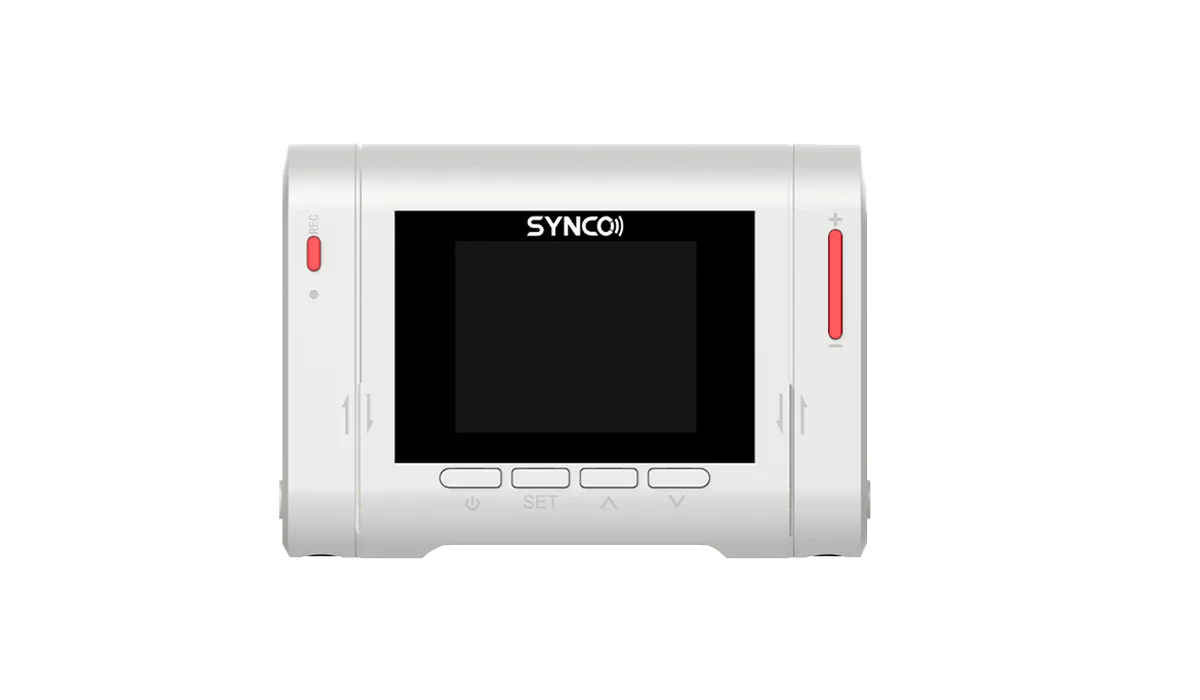
Nowadays, many people in the world are using smart devices that can be used as an amazing resource when it comes to film productions. One of them is wireless microphone. Using a wireless microphone allows you to get rid of the need for a separate cable and provides the freedom to move around without worry about cables getting tangled up or plugged into something else. Let's take a look at how to use wireless microphones for camera filmmaking!
Why use a wireless microphone?
There are many reasons why you might want to use wireless lavalier microphone for camera. Perhaps you're shooting a video on a windy day and don't want the microphone picking up wind noise. Or, maybe you need to keep the mic close to your subject for better sound quality. Wireless microphones are also great for long shots or interviews where you don't want to have cords tying up your camera or interfering with movement.
To use a wireless microphone, first make sure that it is compatible with your camera. Many cameras have an "equipment port" specifically for wireless mics, while others may have an audio input jack that can be used with a wired mic as well. Once you've verified compatibility, plug the mic into the camera and turn it on. You'll then need to set up the microphone's settings: usually this involves choosing an appropriate frequency and setting up levels.
When using a wireless mic, always be aware of your surroundings. If there are any obstacles between the mic and your subject (like trees or walls), they will likely be picked up in the recording and will look unnatural in the final product. Try to position the mic as close to your subject as possible without being too intrusive. And finally, keep in mind that wireless mics tend to give off more ambient noise than wired mics; be prepared to adjust your audio levels accordingly.
Types of Wireless Microphones
There are three types of wireless microphones commonly used with cameras. SYNCO is developing the line of wireless lavalier microphone to be a revolutionary kit. We have a passion for making the best wireless lavalier microphone that lifts limitations of cables and allows the performer and presenter to move around freely without destroying the audio quality.
The SYNCO wireless clip on microphone sends crystal-clear, broadcast-quality audio via 2.4GHz digital band and Syncoder transmission technology. 2.4G Digital Transmission: The 2.4 GHz band helps achieve peer-to-peer connection, making an uncompromising commitment to long-distance transmission and high-quality audio sound. As a digital wireless system, it is able to sniff out where occupied frequencies are and are not. Unlike the UHF band, it can be used in nearly every country around the world without a license and in the same frequency range, giving users a free pass through all the regulatory confusion.
Syncoder Encryption: The registered encrypted algorithm is an enhancement for transmission safety and signal stability. Based on the Frequency Hopping Spread Spectrum (FHSS), it is built into the lavalier lapel microphone wireless at 2.4GHz to trigger 128-bit encrypted signal delivery and automated channel change wherever.
Additionally, SYNCO puts a wide range of features into the wireless lapel microphone, including omnidirectional pickup pattern, incredible compact size, and clip-and-go versatility.
How to buy a wireless microphone
There is no need to lug around a heavy and expensive microphone when you can use a wireless microphone instead. Wireless microphones are small, portable, and easy to use.
Before you buy a wireless microphone, make sure that it is compatible with your camera. Wireless mics come in different frequencies, so make sure to find the right one for your camera.
Once you have the right frequency and model of your wireless mic, you can start setting up the connection between your camera and mic. The most common way to set up a wireless connection is by using an app on your phone or computer. There are also many plug-and-play options available that simply require plugging in the mic and connecting it to your camera.
Once the connection is set up, all you need to do is start recording! Wireless microphones work just like any other microphone, so all of your usual filming techniques still work.
Should I use a wireless mic or run cables?
If you are using a wireless mic for your camera, you will need to make sure that the microphone is compatible with your camera. You can check this by looking at the documentation that came with your camera. If you are using a cable, you will need to make sure that the cable is long enough to reach from your camera to the sound equipment.
How to set up and mount a wireless mic on Camera rig
Setting up and mounting a wireless mic on a camera rig can be a daunting task if you’re not familiar with the process. Here are four simple steps to help get you started:
1. Decide what type of wireless mic you need. There are two main types of wireless mics, cardioid and omnidirectional.
2. Choose the right antenna. You will need an antenna that is compatible with your microphone and camera rig. Most antennas come in both short and long varieties.
3. Connect the mic to the camera rig using an adapter or USB cable.
4. Configure your microphone settings on your camera rig.
Benefits of using wireless microphones
When using a wireless microphone for camera, there are a few benefits to consider. For starters, you can move the microphone around without worrying about cables getting in the way. This is great for when you want to get creative with your shots or if you’re shooting in a tight space. Plus, wireless microphones typically have a longer range than wired mics, so you can keep the camera close without having to worry about lag time or dropped connections.
Further reading
Further Reading
Article
Why Choosing the Right Abonnement IPTV Matters for Modern Entertainment
In todayâs digital world, the way we watch television has completely changed. Traditional cable TV is slowly being replaced by smarter, more flexible streaming options. One of the most popular alternatives is IPTV. But what exactly is IPTV? And why is choosing the right abonnement IPTV so important? Letâs break it down in simple terms. What Is IPTV? IPTV stands for Internet Protocol Television. Instead of receiving TV channels through cable or satellite, IPTV delivers con
February 16, 2026
Article
The Future of Mobility: Are Electric Wheelchairs the Best Choice for You?
In today’s rapidly evolving world, the need for mobility solutions that cater to diverse lifestyles is more paramount than ever. Among these solutions, electric wheelchairs have gained significant attention, emerging as a vital tool for enhancing independence and mobility. At Etech Mobility, we understand that choosing the right mobility aid is a deeply personal decision, and we aim to provide comprehensive insights to help you make an informed choice. This article delv
February 7, 2025
Article
Social Media Monitoring: Definition, Importance, and Benefits for Your Business
What is social media monitoring? Social media monitoring is where information from social media networks such as Facebook, X (formerly Twitter), Instagram, and LinkedIn is gathered, compiled, analyzed, and interpreted. Hence, it plays an important role for brands of any type and size helping to gain an understanding of the target audience, competitors, and the general market. The difference between social media monitoring and social listening While social media monitoring and
August 29, 2024
Article
Keerthy Suresh: A Versatile Talent in Indian Cinema
Keerthy Suresh is a name that has become synonymous with versatility, grace, and immense talent in the Indian film industry. Born on October 17, 1992, in Chennai, Tamil Nadu, she has carved a niche for herself in a relatively short span of time. Known for her captivating screen presence and ability to embody a wide range of characters, Keerthy has won the hearts of audiences across the country. This article delves into the journey of Keerthy Suresh, exploring her early life,
July 3, 2024