Opening Your Heart with Yoga
Legacy signals
Legacy popularity: 1,906 legacy views
Reader rating
Not enough ratings yet
Aggregate average appears after enough eligible reader ratings.
Rate this resource
Sign in to rate this resource.
 The ancient wisdom tradition of yoga offers practices that prepare the mind and heart to release what is not useful and to open to that which is. Since body, breath, and mind are intimately connected, practices that enliven one dimension influence the others. Therefore, we want to begin with a set of heart-opening movements, known as asanas. Asana is a Sanskrit word that means “seat.” What is typically known as yoga today in the Western world is a system of postures that enhance the body’s flexibility, balance, and strength. The primary purpose of these poses is to create such ease in the body that the mind is able to expand. If you are carrying tension in your neck, pain in your shoulders, or stiffness in your lower back, it will be difficult for your mind to go beyond thoughts of discomfort when you close your eyes and look within. Therefore, taking time to open your body in preparation for opening your heart is worthwhile.
I encourage you to practice these seven heart-opening poses at a level of intensity that reflects your self-nurturing intention. Forcing or straining while performing your stretches usually inhibits rather than fosters release. Enter into each pose with your full awareness, moving to the point of resistance, not pain. With your eyes closed, allow yourself to feel the tension in your muscles with each posture, but do not go beyond this point into discomfort. Breathing consciously, soften your body with each outflow of your breath, surrendering into the resistance rather than forcing your way through it.
Perform these seven poses in sequence, with the intention for your body to open in preparation for deep emotional release. Move through each posture with appreciation and respect for your body. Honoring the wisdom of your body by listening to its signals of comfort and discomfort enrolls its support in accessing, mobilizing, and releasing toxic emotions.
If you have a known injury or physical limitation, perform these postures with great sensitivity. If you have any doubt about whether you can do a pose comfortably, skip it.
1) Sky to Earth Pose
The ancient wisdom tradition of yoga offers practices that prepare the mind and heart to release what is not useful and to open to that which is. Since body, breath, and mind are intimately connected, practices that enliven one dimension influence the others. Therefore, we want to begin with a set of heart-opening movements, known as asanas. Asana is a Sanskrit word that means “seat.” What is typically known as yoga today in the Western world is a system of postures that enhance the body’s flexibility, balance, and strength. The primary purpose of these poses is to create such ease in the body that the mind is able to expand. If you are carrying tension in your neck, pain in your shoulders, or stiffness in your lower back, it will be difficult for your mind to go beyond thoughts of discomfort when you close your eyes and look within. Therefore, taking time to open your body in preparation for opening your heart is worthwhile.
I encourage you to practice these seven heart-opening poses at a level of intensity that reflects your self-nurturing intention. Forcing or straining while performing your stretches usually inhibits rather than fosters release. Enter into each pose with your full awareness, moving to the point of resistance, not pain. With your eyes closed, allow yourself to feel the tension in your muscles with each posture, but do not go beyond this point into discomfort. Breathing consciously, soften your body with each outflow of your breath, surrendering into the resistance rather than forcing your way through it.
Perform these seven poses in sequence, with the intention for your body to open in preparation for deep emotional release. Move through each posture with appreciation and respect for your body. Honoring the wisdom of your body by listening to its signals of comfort and discomfort enrolls its support in accessing, mobilizing, and releasing toxic emotions.
If you have a known injury or physical limitation, perform these postures with great sensitivity. If you have any doubt about whether you can do a pose comfortably, skip it.
1) Sky to Earth Pose
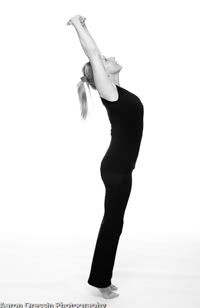 It is best to perform this pose in a standing position, but you may choose to do it from a seated position if necessary. Begin by bringing your palms and fingers together in “prayer” position, feeling your thumbs gently touching the area of your heart. Close your eyes and take several slow, deep breaths.
Very gradually, begin moving both hands upwards. When they reach about forehead level, interlace your fingers while continuing to raise your hands over your head. When yourrn arms are fully extended, rotate your wrists outward while your fingers remain entwined.
While slowly exhaling, begin flexing your body as you fold forward, bringing your arms down and relaxing your neck. Gradually collapse through your upper, middle, and lower back, walking your hands down your thighs, moving your outstretched hands towards your feet. It is not important whether or not you can touch your feet.
Continue extending with your arms, shoulders, and spine, arching up and backwards, feeling the stretch in your chest and abdomen. Look up at your interlaced fingers. If you feel you can maintain your balance, rise up onto your toes to complete the full extension.
When you have flexed forward as far as you can, close your eyes and relax into this position, slowly inhaling and exhaling for several breaths. With each outflow of your breath, softenrn through your neck, back, shoulders, and hips.
As you inhale, gently raise yourself upright, again lifting both arms over your head, stretching as far upwards as you comfortably can.
Again, rise up onto your toes if you feel you can maintain your balance.
Complete the pose by slowly returning your hands to the level of your heart.
2) Swaying Palm Pose
It is best to perform this pose in a standing position, but you may choose to do it from a seated position if necessary. Begin by bringing your palms and fingers together in “prayer” position, feeling your thumbs gently touching the area of your heart. Close your eyes and take several slow, deep breaths.
Very gradually, begin moving both hands upwards. When they reach about forehead level, interlace your fingers while continuing to raise your hands over your head. When yourrn arms are fully extended, rotate your wrists outward while your fingers remain entwined.
While slowly exhaling, begin flexing your body as you fold forward, bringing your arms down and relaxing your neck. Gradually collapse through your upper, middle, and lower back, walking your hands down your thighs, moving your outstretched hands towards your feet. It is not important whether or not you can touch your feet.
Continue extending with your arms, shoulders, and spine, arching up and backwards, feeling the stretch in your chest and abdomen. Look up at your interlaced fingers. If you feel you can maintain your balance, rise up onto your toes to complete the full extension.
When you have flexed forward as far as you can, close your eyes and relax into this position, slowly inhaling and exhaling for several breaths. With each outflow of your breath, softenrn through your neck, back, shoulders, and hips.
As you inhale, gently raise yourself upright, again lifting both arms over your head, stretching as far upwards as you comfortably can.
Again, rise up onto your toes if you feel you can maintain your balance.
Complete the pose by slowly returning your hands to the level of your heart.
2) Swaying Palm Pose
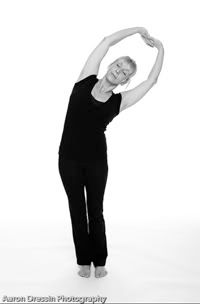 Begin this second posture in the same manner as the Sky to Earth pose, with both of your hands together at the level of your heart. Again stretch upwards until you are fully extended.
Slowly begin to arch your body to the left, stretching through your arms, shoulder, side, and hip. Hold the arch, breathing into the stretch with slow, deep breaths, lengthening with each exhalation.
Slowly return to an upright position, and then gradually arch your body to the right, stretching through your left shoulder, side, and hip. Inhale and exhale, gently lengthening your stretch with each outflow of your breath.
Slowly return to an upright position and then gently lower your arms.
3) Pelvis-Opening Pose
Begin this second posture in the same manner as the Sky to Earth pose, with both of your hands together at the level of your heart. Again stretch upwards until you are fully extended.
Slowly begin to arch your body to the left, stretching through your arms, shoulder, side, and hip. Hold the arch, breathing into the stretch with slow, deep breaths, lengthening with each exhalation.
Slowly return to an upright position, and then gradually arch your body to the right, stretching through your left shoulder, side, and hip. Inhale and exhale, gently lengthening your stretch with each outflow of your breath.
Slowly return to an upright position and then gently lower your arms.
3) Pelvis-Opening Pose
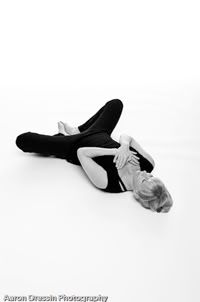 This next pose enlivens awareness in the body’s second energy center or chakra. This site is classically associated with primitive emotions, sexuality, and creativity. Because of the powerful messages many young girls often receive about “keeping their legs together,” this pose can sometimes awaken strong feelings and images. Perform it in a safe setting wherern you can explore the emotions and information that emerge. Lying on your back, place both hands over your heart. Bring your knees up so the soles of your feet are on the floor.
Now slowly lower your knees toward the floor, opening at your hips. Open to the point where you feel tension, then gently pull your ankles towards your groin. Breathe deeply into yourrn pelvic region while maintaining your awareness in your hips. Without straining, relax and release with each exhalation. Repeat this process several times, gently releasing further with each opening. Then, slowly extend your knees and rest on your back.
4) Pelvic Lift Pose
This next pose enlivens awareness in the body’s second energy center or chakra. This site is classically associated with primitive emotions, sexuality, and creativity. Because of the powerful messages many young girls often receive about “keeping their legs together,” this pose can sometimes awaken strong feelings and images. Perform it in a safe setting wherern you can explore the emotions and information that emerge. Lying on your back, place both hands over your heart. Bring your knees up so the soles of your feet are on the floor.
Now slowly lower your knees toward the floor, opening at your hips. Open to the point where you feel tension, then gently pull your ankles towards your groin. Breathe deeply into yourrn pelvic region while maintaining your awareness in your hips. Without straining, relax and release with each exhalation. Repeat this process several times, gently releasing further with each opening. Then, slowly extend your knees and rest on your back.
4) Pelvic Lift Pose
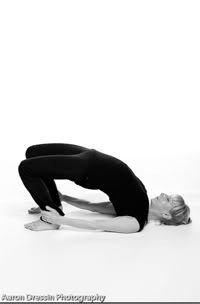 Lying on your back, bend your knees and plant your feet on the floor. Reach with outstretched arms towards your feet, holding your ankles with your hands. If you cannot reachrn your ankles, place your palms on the floor with your fingers pointing towards your heels.
Slowly lower your bottom to the floor and then repeat the movement, lifting up your hips while stretching through your midsection. After several more slow deep breaths, lower yourself to the floor and extend your legs. Keeping the back of your head on the floor, lift your pelvis up in the air, stretching through your chest and abdomen. Take several slow, deep breaths in and out through your nose.
5) Cobra Pose
Lying on your back, bend your knees and plant your feet on the floor. Reach with outstretched arms towards your feet, holding your ankles with your hands. If you cannot reachrn your ankles, place your palms on the floor with your fingers pointing towards your heels.
Slowly lower your bottom to the floor and then repeat the movement, lifting up your hips while stretching through your midsection. After several more slow deep breaths, lower yourself to the floor and extend your legs. Keeping the back of your head on the floor, lift your pelvis up in the air, stretching through your chest and abdomen. Take several slow, deep breaths in and out through your nose.
5) Cobra Pose
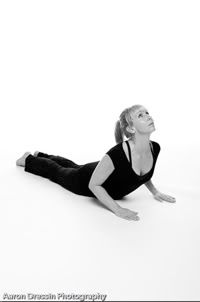 Lying on your stomach, place your hands on the floor under your shoulders. Predominantly using your back muscles, lift your chest off the floor. Use your hands to provide supportrn while you inhale.
Stretch and extend through your neck, even raising your eyes upwards as if trying to see the top of your head. Take several slow, deep breaths, then gradually lower your chest to the floor. Repeat this pose several times.
6) Open Twist Pose
Lying on your stomach, place your hands on the floor under your shoulders. Predominantly using your back muscles, lift your chest off the floor. Use your hands to provide supportrn while you inhale.
Stretch and extend through your neck, even raising your eyes upwards as if trying to see the top of your head. Take several slow, deep breaths, then gradually lower your chest to the floor. Repeat this pose several times.
6) Open Twist Pose
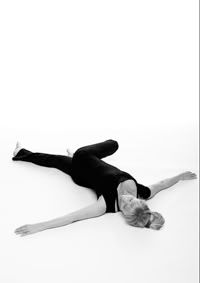 Lying on your back, stretch out both arms to your sides at right angles to your body.
Bend your left knee and bring your left foot over your right leg, placing it on the floor next to your right knee. While your lower spine and pelvis are twisting to the right, turn yourrn head and neck to the left, feeling the stretch through your spine. Take several slow breaths, releasing further into the pose with each exhalation.
Return to midline, with both legs on the floor.
Then, bending your right knee, place your right foot across your left leg next to your left knee. While rotating your lower body to the left, turn your head to the right, again feeling thern stretch throughout the spine while taking slow, deep breaths. Return to resting position with both legs extended on the floor.
7) Child’s Pose
Lying on your back, stretch out both arms to your sides at right angles to your body.
Bend your left knee and bring your left foot over your right leg, placing it on the floor next to your right knee. While your lower spine and pelvis are twisting to the right, turn yourrn head and neck to the left, feeling the stretch through your spine. Take several slow breaths, releasing further into the pose with each exhalation.
Return to midline, with both legs on the floor.
Then, bending your right knee, place your right foot across your left leg next to your left knee. While rotating your lower body to the left, turn your head to the right, again feeling thern stretch throughout the spine while taking slow, deep breaths. Return to resting position with both legs extended on the floor.
7) Child’s Pose
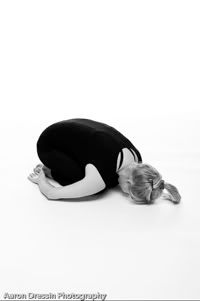 Stretch your arms over your head in front of you and take several slow, deep breaths. This final pose promotes safety and centering in preparation for innerrn exploration.
Beginning on your belly, bring your knees up with your legs and ankles together. Leaning forward, slowly flex at the waist until your chest is resting on your thighs and your forehead is on the floor.
Then bring your arms back towards your ankles until they are resting alongside your legs. Feel the movement of your chest on your knees as you slowly inhale and exhale withrn awareness. Remain in this position for several minutes, noticing your thoughts and sensations.
David Simon, M.D. is the Co- Founder, CEO and Medical Director of the Chopra Center for Wellbeing. Dr. Simon is dedicated to catalyzing the evolution of the prevailing health care system into a healing system that encompasses the emotional, spiritual as well as physical health of the individual. His new book Free to Love, Free to Heal: Heal Your Body by Healing Your Emotions comes out on June 25, 2009.
Ready to start your journey? Post your intent and blog about your new journey of self-discovery and self-love.
Just joining the series? Start from the beginning of David Simon's 2-week guide for healing your past wounds and letting go of toxic emotions through power of love-- for yourself and for others.
Stretch your arms over your head in front of you and take several slow, deep breaths. This final pose promotes safety and centering in preparation for innerrn exploration.
Beginning on your belly, bring your knees up with your legs and ankles together. Leaning forward, slowly flex at the waist until your chest is resting on your thighs and your forehead is on the floor.
Then bring your arms back towards your ankles until they are resting alongside your legs. Feel the movement of your chest on your knees as you slowly inhale and exhale withrn awareness. Remain in this position for several minutes, noticing your thoughts and sensations.
David Simon, M.D. is the Co- Founder, CEO and Medical Director of the Chopra Center for Wellbeing. Dr. Simon is dedicated to catalyzing the evolution of the prevailing health care system into a healing system that encompasses the emotional, spiritual as well as physical health of the individual. His new book Free to Love, Free to Heal: Heal Your Body by Healing Your Emotions comes out on June 25, 2009.
Ready to start your journey? Post your intent and blog about your new journey of self-discovery and self-love.
Just joining the series? Start from the beginning of David Simon's 2-week guide for healing your past wounds and letting go of toxic emotions through power of love-- for yourself and for others. Article author
About the Author
 Intent.com is a premier wellness site and supportive social network where like-minded individuals can connect and support each others' intentions. Founded by Deepak Chopra's daughter Mallika Chopra, Intent.com aims to be the most trusted and comprehensive wellness destination featuring a supportive community of members, blogs from top wellness experts and curated online content relating to Personal, Social, Global and Spiritual wellness.
Further reading
Further Reading
Article
Rumah Zakat Yogyakarta: Turning Compassion into Real Action
Introduction In the heart of Indonesiaâs cultural capital, Yogyakarta, one organization has been quietly transforming compassion into measurable impact â Rumah Zakat Yogyakarta . As a branch of the national Rumah Zakat network, this humanitarian institution plays a crucial role in managing zakat, infaq, sadaqah, and waqf funds, while also implementing empowerment and relief programs across the province. Yogyakarta is known for its strong community values, religious devoti
November 6, 2025
Article
Self-Growth Through Yoga: A Journey to Mind, Body, and Soul Balance
Self-growth is a lifelong journey that allows individuals to discover their true potential, build resilience, and foster a deeper connection with themselves. One of the most profound ways to embark on this journey is through yoga. More than just a physical exercise, yoga blends movement, mindfulness, and breathing techniques that promote overall well-being. Practising yoga consistently can unlock inner strength, clarity, and self-awareness, making it a powerful tool for perso
February 28, 2025
Article
How Can Yoga and Meditation Help with a "Mental Reset"?
Lots of us can find ourselves trapped in the cycle of urgency. The constant rush and pressure to be productive can take a significant toll on our mental health. Fortunately, practices like yoga and meditation offer effective ways to allow us to slow down, reduce stress and regain balance. Understanding urgency culture Urgency culture refers to the pervasive mindset that prioritises constant productivity. It’s the feeling that you must always be busy, always responding a
June 17, 2024
Article
Yoga strategies that will help you overcome physical and emotional pain
Painful experiences (both physical and emotional) can wreak havoc in our lives. And, to make it even worse? Their lingering effects can live on inside our cell tissue for years. These painful (literally and figuratively) memories lay hidden in our shoulders, hamstrings, hips, etc.rn rnYoga, at its core, was created to reduce suffering . And, when we go through our asanas, it's possible to release these stuck emotions and painful conditions.rn rnYoga for Pain Management Yogic
May 1, 2024