Power Lifters vs. Bodybuilders
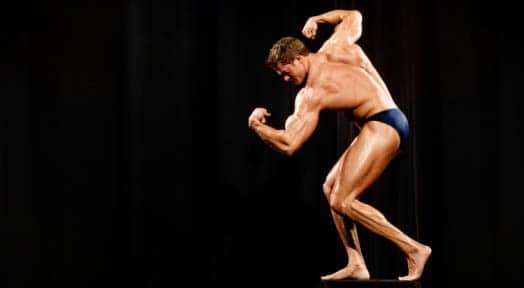 Bodybuilding is generally observed as a round the clock workout routine used by professional bodybuilders and trainers to effectively utilize strength and cardiovascular fitness training to achieve muscular mass and tone. Maintaining a strict diet is a critical component observed more often in the art of bodybuilding than powerlifting. This has often seen most bodybuilders having to implement a specific nutrition plan consisting of the proper drink, foods, and supplementation required.
The program designed for the bodybuilder is specifically aimed to allow the individual to sculpt the body into a physique containing the maximum muscular mass by effectively removing unwanted fat and unnecessary water. Bodybuilders are in event subjected to be judged not only on their overall musculature, but also on their symmetry, skin tone, posture, attitude, vascularity and a host of other factors.
The art of bodybuilding contains what is referred to in the fitness industry as a peaking phase. Professional bodybuilders are accustomed to training during their off seasons to work on their bulking phase to improve their muscular mass as much as possible. Toning and sculpting the muscles achieved during this offseason generally takes place between the final eight to twelve weeks before the competition. Many bodybuilders during this phase will undergo such a dramatic transformation in their appearance that they are hardly recognizable by the time they get on stage.
The professional bodybuilder diet generally consists of a low carbohydrate, low fat, high protein intake. This particular diet is such designed so as to effectively trick the human body into utilizing the protein content within the diet by burning it as energy to fuel the exercise workout instead of the carbohydrates. The diet of the professional bodybuilder bears some similarity to the powerlifter, in that the individual is required to eat every two to three hours on a daily basis. The difference however is noted in the types of food each person is allowed to eat.
Powerlifting on the other hand generally involves the individual competing in three particular sets of exercises known as the bench, the squat and the deadlift. The professional who is able to achieve the heights total for the three lifts is crowned as the winner. The art of powerlifting is a highly complex event than just pulling and pushing weights while eating to gain weight.
One of the professional powerlifter's goal is to achieve the maximum level of core strength possible in the shortest time before an event. Most powerlifters have found that eight to twelve weeks before a competition is an adequate amount of time to successfully train their muscles. Training using a progressive type pyramid method has been popularly used by a majority of the powerlifters during their workout routine.
Within such a pyramid cycle, the professional powerlifter will begin training by emphasizing focus on conditioning the body. Endurance and stamina is generally achieved by completing a series of multiple reps using a series of medium to heavy weights. Exercise routines designed to target smaller muscle groups are also performed to strengthen these groups and achieving muscular stability. As the powerlifter approaches the final stages of the training cycle there will be a noticeable improvement in their core strength allowing the individual to handle the maximum weights possible on all three power lifts. Upon reaching this plateaux the powerlifter will resort to a low impart training routine to allow muscular recovery and building in preparation of the competition.
The diet required by the professional powerlifter unlike the bodybuilder consists of a high protein, high carbohydrates and medium amount of fats. The average powerlifter instead of eating three balanced meals on a daily basis will break down each meal such as breakfast, lunch and dinner into two or three smaller meals to be consumed on average every two to there hours.
The professional powerlifter by eating in small amounts on a consistent basis allows the body to remain in a sustained fueled rate allowing the muscles to recover more effectively over a shorter period of time. Both the professional bodybuilder and powerlifter must exhibit acts of high discipline which is in any sport the most valuable attribute displayed, as this is required to follow a precise and planned course within an exercise program, maintaining a strict diet and allowing time for recovery.
Article author
About the Author
Grant Donovan is a successful entrepreneur and founder of many disciplines including aviation, automotive, political, anti-aging and life coaching to name a few. But it is his passion for health, nutrition and fitness that he attributes as the leading factor for his success. All of which led him to create mensfitclub.com to share his large breadth of knowledge with the everyday man, and empower them to make the changes that will help lead to their success. He believes a life in balance of mind, body and soul is a life well lived and only when achieved can one unlock their true potential. At age 60, Grant serves as a living example of why staying healthy not only helps you live longer, but the improved quality of life, will allow you to push past boundaries and reach new heights you never knew were possible. With his inspirational personal journey of achievement he has motivated over 350,000+ subscribers to make a positive change in their life and guide them on their pursuit of happiness.
Further reading
Further Reading
Article
The Hidden Impact of Excess Weight on Menâs Vitality
Carrying excess weight doesnât just affect how you look â it can quietly reduce your energy, confidence, and bedroom performance. When a man gains too much belly fat, it can lead to lower testosterone levels, poor blood circulation, and reduced stamina. These changes may make it harder to maintain strong vitality, control, and endurance when it matters most. The good news? Small lifestyle changes can make a powerful difference. By focusing on better nutrition, regular mov
March 10, 2026
Article
Feel Stronger, Leaner & More Energetic After 40
Are You 40+ And Feelingâ¦rnSlower metabolism? Stubborn belly fat? Low daily energy? Body stiffness or joint pain? Youâre not alone â and youâre NOT âgetting old.â Your body just needs a smarter strategy. Introducing The 40+ Fitness & Wellness ResetrnA simple, realistic system designed specifically for men and women over 40 who want to: â Burn belly fat naturallyrnâ Rebuild lean musclernâ Boost energy levelsrnâ Improve heart healthrnâ Feel confident again
February 18, 2026
Article
The GUIDE to Wellness Reset by Fitness with Essie
Feel tired, inconsistent, or stuck on your fitness journey? This eBook is your gentle reset. rnMany people above 40 notice that weight gain, tiredness, and body weakness no longer respond to the things that worked before. rnThe truth is: the body changes with age, and health routines must change too. rnI recently came across a digital health guide on Selar, created specifically for people 40+, focusing on simple daily habits that fit our lifestyle. rnI shared the details here
February 14, 2026
Article
Moving Meditation: How Precision-Based Exercise Supports Mental and Emotional Growth
Movement is one of the most honest forms of self-connection. The body never lies. It holds stress, records emotion, and reveals when something feels off. For many, this is why exercise has always been more than fitness; itâs therapy through motion. But not all movement heals. Some styles exhaust, others distract. True healing often begins in the slow, intentional kind, the kind that lets the body lead and the mind follow.rnThatâs where precision-based training, such as re
November 6, 2025