Some Steps That Team Managers Can Use For Rescue Events
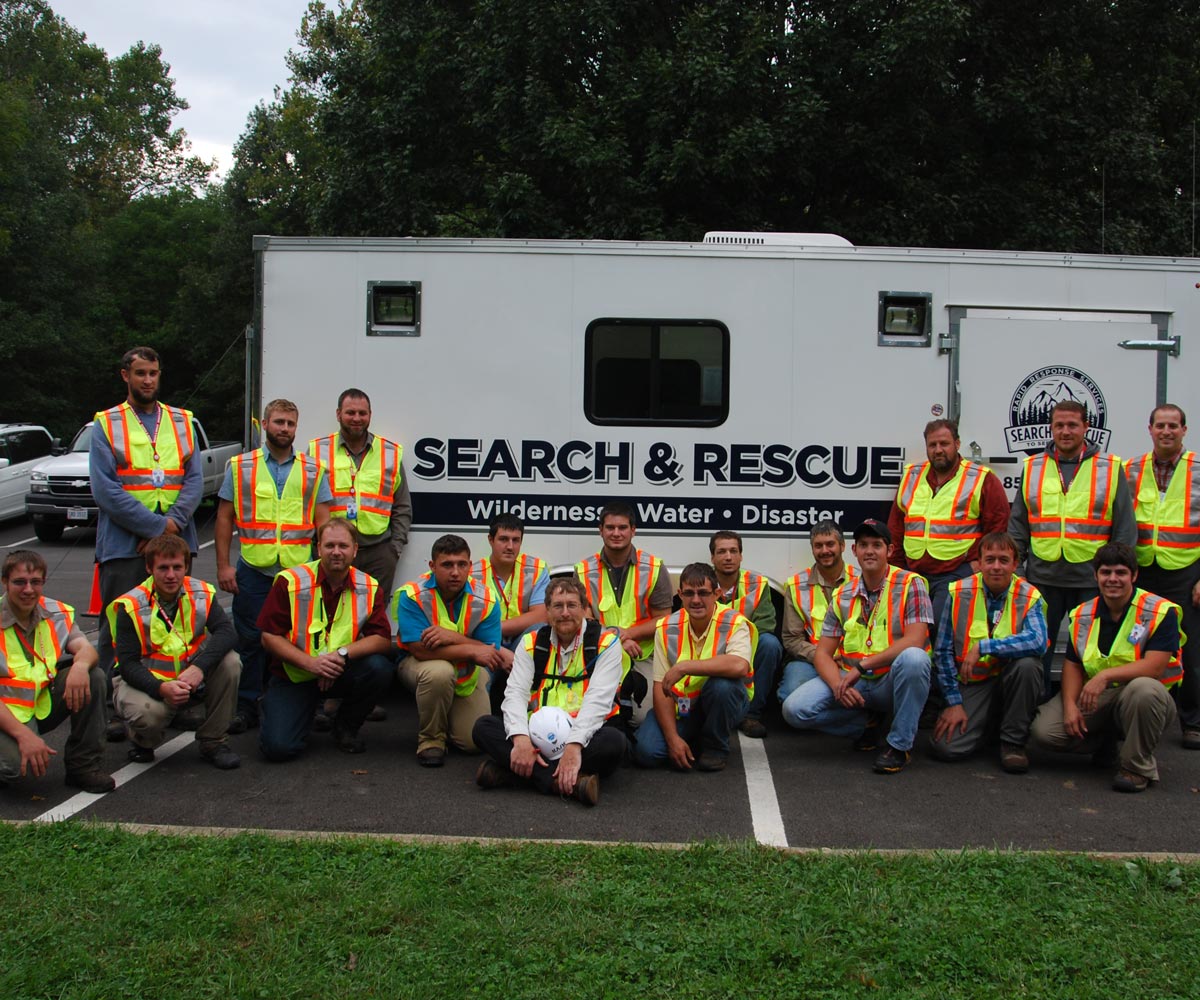
There are various reasons main projects or programs may need rescuers. It's beneficial to know to examine whether a rescuer is knowledgeable to rescue someone on major events.
Consuming time and money on a minor project or policy is simpler said than done. Recovery effort planning can last weeks, disrupting time allocated to skilled resources. It's easier to stop purchasing hardware and software, harder to break up a team of people. Always do these steps to tackle major events.
Step no.1
Interviewing all major stakeholders or their agents is usually limited to 10 people. Guarantee that they are eligible for any kind of sudden incidents. These interviews must assess politics and culture.
And also they develop all stakeholders' roles on what they have to seek every kind of skills for every kind of situations. Ohio search and rescue team have a good portfolio.
Step no.2
Stakeholder meetings generally specify several problems in general terms, such as high complexity or unclear objectives. These things create the situational particularity required to deal with issues effectively. Furthermore, Survey these causes with increasingly comprehensive questions that uncover particular features.
Step no.3
So if the instructions have been ineffective so far, there is a risk that the base factors are not addressable, and it is thus not a good idea to endeavor a rescue. Besides, new incidents may come and are important in the process of rescue. Recognize the risks involved in incidents and have a plan to mitigate them.
The main sectors of incidents include complexity, technology, operational, external, organizational, schedule, and financial. Ohio search and rescue professionals know all kinds of incidents.
Step no.4
Ready to meet with main stakeholders and decision-makers to develop a plan of action. These includes:
Establishing a timed agenda in advance. Asking for input and response from all who will be present. Building a collaborative workspace to share information and encourage preparation and discussion before the workshop begins. Preparing all materials and information willing to support conversation and examination with facts and statistics.
Step no.5
Once all the procedures have been made, collect the main supporters, stakeholders, and decision-makers into one room and ideally face to face. Work through different preparation methods and agree on the further stages. And Trained rescue teams helped in any dangerous situation.
Step no.6
If the decision is to kill the project or program, significant follow-up will be essential post-workshop. Determining the workshop has re-engaged the main stakeholders with an amended plan. It's time to bring other participants and make final decisions about the next steps.
It's important to build off the workshop's quickness and complete decisions as quickly as possible and ideally within a day. Rapidly collect any extra data needed to turn doubtful agreements into major plans.
Step no.7
Assess the plan. If the program or strategy has been on wait for a while, some resources may no longer be accessible and need to be recommissioned or rebuilt.
Furthermore, where preferences and strategies have changed from the failed iterations. It's important that individuals and teams explicitly confirm their responsibilities for the new path ahead.
Step no.8
With the rescue and key stakeholder responsibilities developing, it's time to discuss changes to the profile, shape, and size of the new project beyond the trained rescue team.
Emphasize the anticipated outcomes and the strategic alignment, and clearly explain the ramifications of the changes. Although the communication may state that response is good. It should be clear that the new course is starting and the project is continuing.
Further reading
Further Reading
Article
Yayasan Sosial Harapan Indonesia: Spreading Hope and Lasting Impact Across Communities
Yayasan Sosial Harapan Indonesia is a social foundation in Indonesia dedicated to uplifting vulnerable individuals and families through sustainable humanitarian efforts. The foundationâs name itself â âHarapanâ â means hope in Indonesian, which encapsulates its core purpose: to bring meaningful change to lives that have long lacked opportunity and support. In many parts of Indonesia, especially outside major metropolitan centers, challenges like poverty, limited edu
December 20, 2025
Article
Protecting the Rights of African Australians
Advocacy is essential in protecting people's rights and dignity, especially in vulnerable communities such as African Australians. Legal services bridge the gap between marginalised groups and justice, ensuring that systemic barriers and discriminatory practices do not prevent them from accessing rights. The Role of Advocacy in Protecting Rights Advocacy is about empowerment—providing people with the ability to claim their rights and challenging structures that perpetua
December 13, 2024
Article
Challenges faced by refugees and asylum seekers in Australia
Refugees and asylum seekers in Australia encounter a range of formidable challenges as they strive to rebuild their lives in a new and often unfamiliar environment. These individuals, who flee persecution and conflict in their home countries, face significant hurdles in navigating complex legal processes, accessing essential services, and overcoming social and psychological barriers. Navigating complex legal processes One of the primary challenges for refugees and asylum seek
June 17, 2024