Tooth Erosion: How It Happens & What to Do to Keep It At Bay
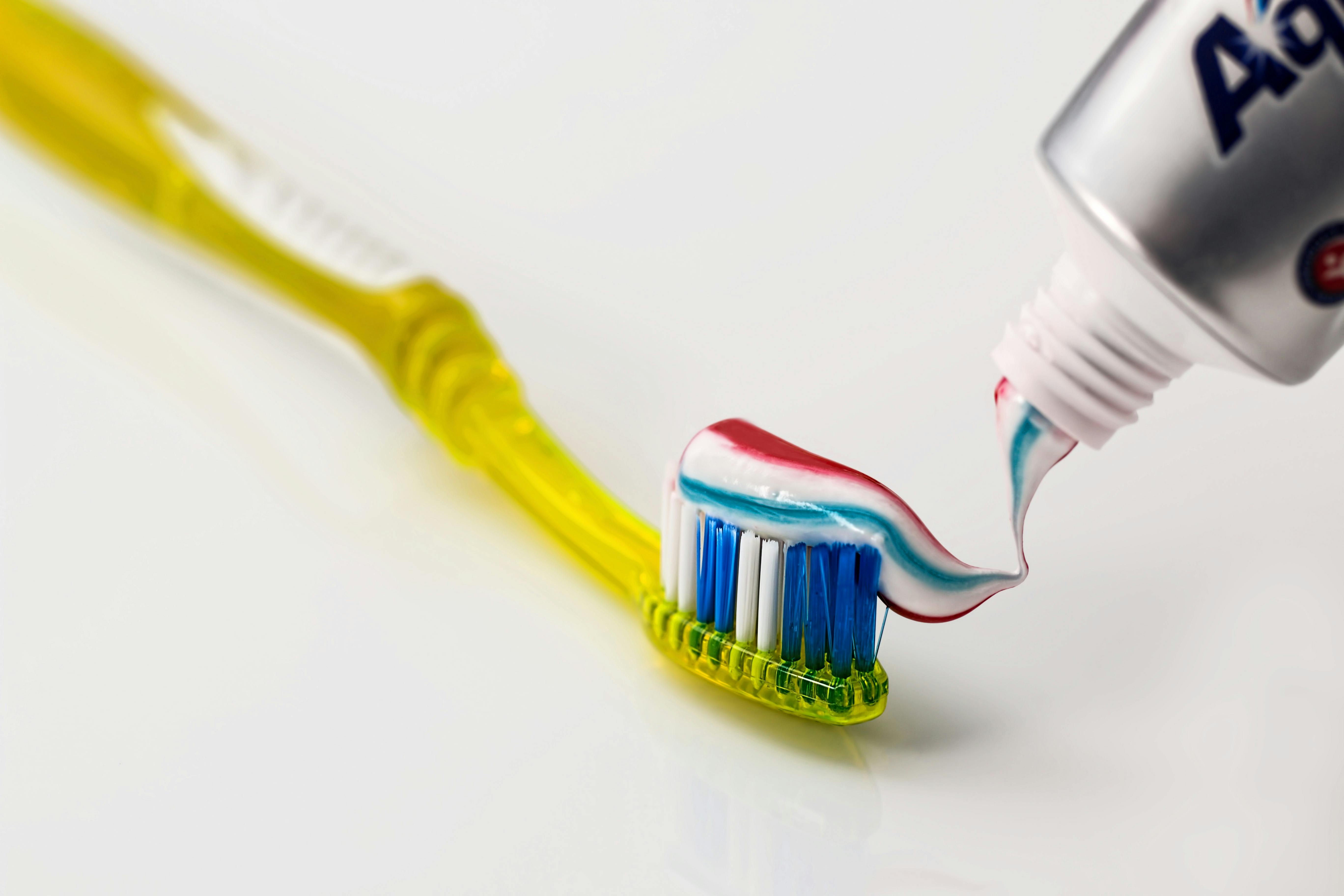 Dental erosion is the gradual loss of tooth enamel. Erosion usually appears as pits in the enamel or worn-down biting edges. When tooth enamel wears away dentine, the living tissue beneath it, is exposed. This can lead to pain and sensitivity to hot or cold, as well as greater risk of tooth decay. Dentine tends to be a darker, yellower color than your white protective enamel. If you suspect you're experiencing tooth erosion, make the effort to correct the problem as soon as possible.
Recognize Causes of Tooth Erosion
Although tooth enamel is the hardest substance in the human body, it's still organic and far from indestructible. It's also typically less than 2.5 mm in thickness. The enamel is secreted by the tooth itself. Tooth erosion can be caused by a tendency to chew on hard substances, like utensils or your finger nails. It is most often caused, however, by acids which break down the enamel. The stomach also has strong acids to aid in digestion, so that frequent vomiting or acid reflux can further weaken enamel. The chief mineral in tooth enamel is calcium phosphate. Acid breaks down and softens the enamel by removing some of these minerals. Acidic balance is usually restored naturally by your saliva. Consuming acidic substances excessively or too often may do more damage than your body can keep up with, resulting in soft tooth enamel that wears away more easily.Follow Dietary Restrictions
If you're showing signs of tooth erosion, reduce or eliminate acidic foods and beverages from your diet. The most common source of acid is carbonated (carbolic acid) drinks of any kind. Foods like corn, olives, yogurt, berries, and many canned or baked goods are surprisingly acidic. Beverages such as soda pop or alcohol are worse. Even fruit and fruit juices, especially citrus, can be relatively acidic if you consume them often, such as orange juice or lemonade. Cocktails that include fruit juices, soda water, and alcohol are triple threats to your tooth enamel. Some sports drinks that are high in electrolytes can also be acidic. Drink more water as a thirst-quencher, both during and after eating. Finish meals with a glass of milk, which will help to reduce the acid plus supply you with essential calcium.Take Care of Teeth
In addition to avoiding harmful foods and beverages, be sure to brush your teeth at night with a soft toothbrush and a fluoride toothpaste. Fluoride helps reduce sensitivity. Brushing at least once during the day would be even more beneficial. Some dental products, including mouth wash, are especially made for sensitive teeth and contain minerals to help rebuild enamel. Your dentist may also suggest a fluoride varnish that can be applied regularly to protect your teeth and strengthen enamel. Another good idea is to start chewing sugar-free gum. This increases saliva flow to reduce thirst, clean teeth, and help accelerate rebuilding enamel.Visit Your Dentist
Make it a point to visit a dentist in Lake Houston or wherever you may live regularly for a checkup. He/she can spot problems like tooth erosion as soon as it appears and take steps to correct it. Mild erosion may not require treatment so much as better dietary and tooth care practices. If it's severe, however, erosion may involve medicated or specially formulated tooth pastes or dental rinses that are more effective in treating the problem. If the tooth is badly damaged or has suffered decay, repairing it may require fillings, bonding, veneers, or other more drastic treatments. Check your own teeth regularly for signs of eroded tooth enamel, especially if your teeth are sensitive. At the first sign of trouble, schedule an appointment to discuss it with your dentist.Further reading
Further Reading
Article
Balancing Dignity and Support in Personal Care
Accepting help with personal tasks such as bathing, dressing, and grooming can be a sensitive experience. These routines are deeply private, and the need for assistance can feel like a loss of independence. However, receiving support does not have to mean sacrificing dignity. With a respectful and person-centred approach, personal care can enhance wellbeing while honouring an individualâs sense of self. The foundation of dignified care is built on trust, communication, and
October 30, 2025
Article
Cerebral Palsy Diagnosis: Tests and Evaluations Doctors Use
Cerebral palsy is one of the most common neurological disorders affecting children, and yet it remains a complex condition to diagnose because its symptoms vary widely from child to child. The process begins when parents or caregivers notice developmental delays or unusual muscle tone and bring these concerns to a pediatrician. A cerebral palsy baby may appear floppy, excessively stiff, or struggle with feeding and movement milestones. Because symptoms can mimic other neurolo
September 14, 2025
Article
Sleeping Problems Solutions: Exploring CPAP Alternatives
Many people struggle with sleep disorders like sleep apnea. While CPAP therapy is common, many seek more comfortable and effective sleeping problems solutions. Oral appliance therapy is a proven alternative. Understanding Sleep Apnea and Its Impact When the airway is blocked during sleep, it is usually called sleep apnea. It disrupts breathing and affects oxygen flow, which can lead to fatigue, headaches, and cardiovascular risks. Sleep apnea, if left untreated, may contribut
March 27, 2025
Article
How to Optimize Your Business for the AI Revolution
The AI revolution is transforming industries at an unprecedented pace, unlocking new opportunities for innovation, efficiency, and growth. Businesses that embrace AI not only gain a competitive edge but also future-proof themselves in an evolving marketplace. To thrive in this era of rapid technological advancement, companies must strategically integrate AI into their operations. Here’s how to optimize your business for the AI revolution. 1. Understand AI and Its Potent
January 10, 2025