Top Weed Dispensaries FAQs Answered
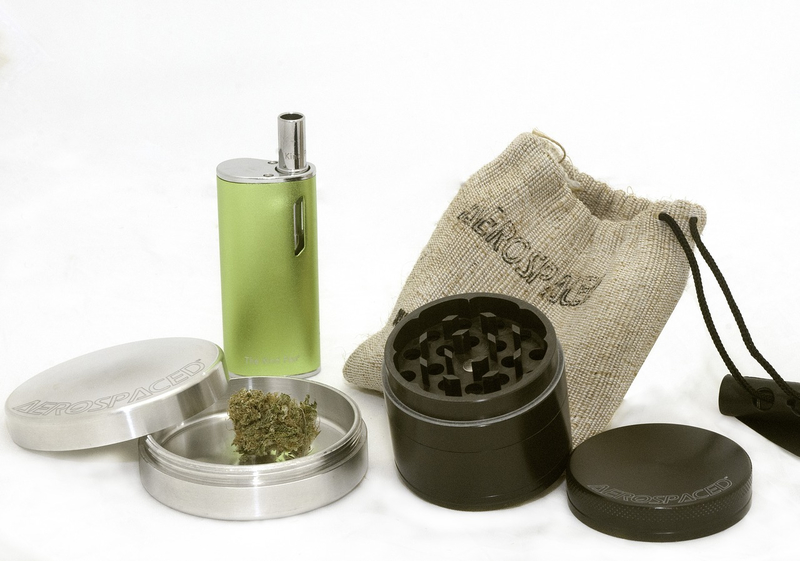
Image source: Pixbay.com
With the increasing cannabis awareness, weed is now licensed in more countries. Being a natural extract from the cannabis plant, more than 50% of Americans have embraced it. Still, some states are yet to decide whether to legalize it or not.
Weed comes in the form of capsules, gummies, balms, oils, tinctures, lotions, and creams. That means no one is left out, there’s a high chance that weed is available in your favorite method of delivery.
Before diving into cannabis products, you need to get answers to every possible question you have. This will reduce your curiosity and allow you to have a better experience. When you get to a top weed dispensary like Get Kush Dispensary, you can be sure to enjoy all marijuana’s desirable effects.
Let’s look at the common weed dispensary FAQs.
1. What is Weed?
Weed is used interchangeably with marijuana, cannabis, dope, or pot. It refers to the dried leaves or flowers of the cannabis plant. Because of its psychoactive cannabinoids like THC, and other compounds like CBD, weed is psychoactive.
2. How is Smoking Weed Different from Eating Edibles?
The method of consumption affects your experience with cannabis. The THC ratios, types of terpenes, and strains also influence how you feel, whether low or high; the main factor is the consumption method.
For instance, you will get a completely different experience from vaping weed and consuming marijuana edibles. The one best thing about smoking or vaping cannabis e-juice is its bioavailability. According to studies, when marijuana e-liquid is vaped, at least 60% of this liquid gets to your blood vessels. It's the quickest method of experiencing marijuana’s effects.
When you eat edibles, they get into the digestive system, in which the marijuana quantity is reduced before getting to the blood system. Therefore, this method may not give the user the maximum benefits of marijuana.
3. How does weed work?
When you smoke weed, the THC goes into the blood from your lungs faster. Your blood supplies the cannabinoids into your brain and other body parts. THC corporates with cannabinoid receptors in your brain to initiate a series of reactions, which cause the high effect.
Different brain parts have varying cannabinoid receptors density. The brain parts influencing the perception of time, sensory, concentration, thoughts, and focus have the highest concentration of cannabinoid receptors.
4. Can I Be Addicted to Weed?
Like other drugs, one can become dependent on weed because one develops tolerance. Around 30% of weed consumers have grown usage problems, which has created some addiction. Research in 2018 shows that at least 1 in a batch of 17 teenagers are said to be daily weed smokers, and they couldn't stop. However, you can avoid this by consuming it in limited amounts.
5. Can I Overdose Weed?
There are no recorded cases of weed overdose. This means no one has ever died from taking a large quantity of cannabis. However, there are adverse effects associated with cannabis overdose. It causes nausea, anxiety, and loss of coordination. Therefore, it’s advisable to consume cannabis as recommended.
6. Will I Pass a Drug Test?
Marijuana contains a considerable amount of THC percentage, hence could be detected in your system during a drug test. Avoid taking weed whenever you have an upcoming drug test.
7. Is Weed Legal?
Weed is illegal federally in the US and listed as a controlled substance. However, it is legal in some states either for medical or recreational use.
Here are the 14 states, Washington and the District of Columbia that allow recreational use of weed: California, Alaska, Arizona, Illinois, Colorado, Massachusetts, Maine, Montana, Michigan, Orgon, Nevada, New Jersey, Vermont, and South Dakota.
Some states have only legalized its medical use. They include Delaware, Connecticut, Arkansas, Louisiana, Hawaii, Florida, Mississippi, Minnesota, Maryland, New Mexico, New Hampshire, Missouri, Ohio, North Dakota, New York, Rhode Island, Pennsylvania, Oklahoma, West Virginia, and Utah.
So, whether it's legal depends on your state laws. Even in states where weed is legal, age restrictions and the amounts of weed one can possess apply. Always find out if it is allowed in your state and for what purpose before buying any weed products.
8. What Are the Positive Effects of Consuming Weed?
You can take weed for pleasure, but also it provides other beneficial properties. Besides boosting your moods, smoking weed can reduce anxiety and stress, help you relax, relieve pain, and minimize depression.
9. How Can I Counteract the Negative Effects of Weed?
You can clear off the adverse side effects of taking excess cannabis by doing a lot of exercise, sleeping and eating food regularly. These effects may stay for minutes to hours, but it depends on the amount you took and the method of application.
10. Who is Qualified For a Medical Cannabis Card?
The medical cannabis card can be given to users over 18 years with medical conditions like glaucoma, PTSD, epilepsy, Parkinson's disease, cancer, and terminal illnesses. Also, you can qualify for the card if you have sleep problems, arthritis, chronic pain, depression, and even autoimmune.
Further, minors with health issues that can be treated with medical cannabis can take a card. For the underage, their guardians are assigned the medical marijuana card to manage how the child consumes cannabis.
Further reading
Further Reading
Article
How Integrated Medical Centers Are Making Healthcare More Accessible for Everyone
When youâre trying to stay on top of your health, it can feel like youâre juggling multiple appointments at different locationsâone for your family doctor, another for dental work, and maybe a separate trip to the pharmacy. That constant back-and-forth can be tiring, especially when all you really want is convenient and reliable care in one place. Thatâs where integrated medical centers come in. They bring several healthcare services together under one roof, helping y
November 12, 2025
Article
Rumah Zakat Yogyakarta: Community-first Philanthropy that Empowers Change
Rumah Zakat Yogyakarta is the regional face of a nationwide philanthropic movement that seeks to turn faith-driven giving into long-term social transformation. More than a charity that distributes aid, Rumah Zakat in Yogyakarta integrates zakat, infak, and sedekah into targeted programs across education, health, livelihoods, and the environment â all designed to lift vulnerable families out of dependency and toward sustainable self-reliance. This article explores who they a
November 3, 2025
Article
The Future of Dentistry: How Modern Endodontics Is Transforming Root Canal Treatment
When most people think about root canals, the image that comes to mind is far from pleasant. Long appointments, discomfort, and outdated tools are common fearsâbut thatâs quickly becoming a thing of the past. Thanks to modern endodontics, root canal therapy is now faster, more precise, and significantly more comfortable than ever before. A Quick Look at Endodontics Endodontics is the branch of dentistry focused on treating problems inside the toothâspecifically the dent
August 27, 2025
Article
Making Every Stride Count: Quentin Geczyâs Insights on Running
Image source: Unsplash Running is more than just putting one foot in front of the otherâitâs a blend of mechanics, mindset, and consistency that shapes long-term progress. Understanding how your body moves and how your mind responds to challenges can transform your performance and reduce the risk of injury. By focusing on technique and building mental toughness, Quentin Geczy showcases how runners can train smarter rather than harder. Small adjustments in form, paired wit
August 14, 2025